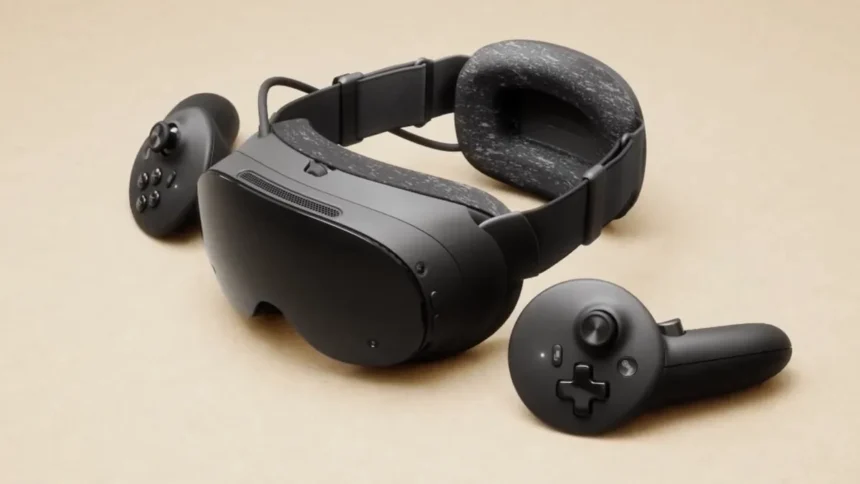
The highly anticipated Steam Deck VR headset, also referred to as the Steam Frame, is reportedly “just around the corner,” according to a VR game developer. However, the shadow cast by the previous Steam Machine’s high price and lukewarm reception has significantly dampened enthusiasm for Valve’s latest hardware venture. While a potential new Half-Life game exclusive to the platform could offer a lifeline, its success hinges on Valve’s ability to overcome past pricing missteps and offer a compelling, versatile VR experience.
Steam Frame Teased for Imminent Launch
Developer ANB_Seth of Gunman Contracts recently shared on Discord that their game will launch alongside the Steam Frame headset. The developer and publisher expressed confidence in an upcoming release, fueling speculation that Valve’s standalone VR device is nearing its debut. This news, while exciting on the surface, is tempered by the memory of Valve’s previous hardware release, the Steam Machine.
The Steam Machine’s Costly Misstep
When Valve first announced its new hardware initiatives, including both the Steam Machine and the Steam Frame, the VR headset garnered significant attention. Many believed it had the potential to rival or even surpass devices like the Meta Quest 3 and inject new life into the virtual reality gaming market. However, the subsequent launch of the Steam Machine proved to be a major disappointment. Instead of a competitive price point, the device debuted with a steep cost of $1,049 (£879 / AU$1,609) for the base model. This pricing strategy was met with widespread criticism, especially given the machine’s middling specifications.
Several factors contributed to the high cost. The global RAM shortage and broader computing component price crunch significantly inflated the cost of essential parts. Furthermore, Valve opted against the industry-standard practice of selling consoles at a loss to build a user base, which would then be monetized through software sales. This decision meant Valve’s hardware appeared relatively expensive compared to competitors.
Potential Pricing and Market Competition for Steam Frame
Given the Steam Machine’s pricing, concerns are mounting that the Steam Frame will follow a similar, expensive trajectory. If the headset’s price mirrors that of its predecessor, potentially increasing further with the inclusion of controllers (which were not standard with the Steam Machine) and the necessity of a separate display, it could prove a difficult sell. Even if the Steam Frame functions as a high-end, wearable Steam Deck, the substantial cost may deter potential buyers.
For non-VR gaming, a handheld device or a traditional PC setup offers a more comfortable experience for extended play sessions than a bulky headset. For those seeking a versatile VR solution, alternatives like the Samsung Galaxy XR offer the ability to stream flat-screen games and perform productivity tasks within a single VR machine. The Steam Frame is reportedly designed primarily for gaming, which could limit its appeal.
In the competitive VR landscape, the Meta Quest 3S presents a significantly more affordable option, costing roughly half of what the Steam Frame is expected to command. The Quest 3S can already access a vast library of VR titles. While some PC-VR exclusives remain inaccessible, the number of such titles is relatively small, and many can be played on existing PCs with adequate specifications.
Half-Life’s Legacy: A Potential Savior?
The primary factor that could potentially salvage the Steam Frame’s prospects is an exclusive game release from Valve, particularly a new installment in the revered Half-Life series. Rumors suggest Valve is developing a follow-up to Half-Life: Alyx. If such a game were to be a PC-VR exclusive, optimized to perform best on the Steam Frame, it could provide a compelling reason for consumers to invest in Valve’s new hardware.
While this scenario might not sway every potential buyer, particularly those who were not captivated by the original Half-Life hype, it could significantly boost the hardware’s appeal among the franchise’s dedicated fanbase. Conversely, if any new Valve game is a standard flat-screen title playable on any capable PC, its impact on the Steam Frame’s success would likely be minimal.
Looking Ahead: Uncertainty and Expectations
It remains to be seen whether the Steam Frame is truly on the verge of release, as suggested by developer ANB_Seth’s comments. Valve has yet to make an official announcement regarding the headset’s launch date or pricing. However, the anticipation for Valve’s next foray into VR hardware is palpable, albeit tempered by caution stemming from the Steam Machine’s market performance. The ultimate success of the Steam Frame may depend heavily on Valve’s ability to deliver a product that justifies its price point and offers a unique, indispensable experience, potentially anchored by a killer exclusive title.