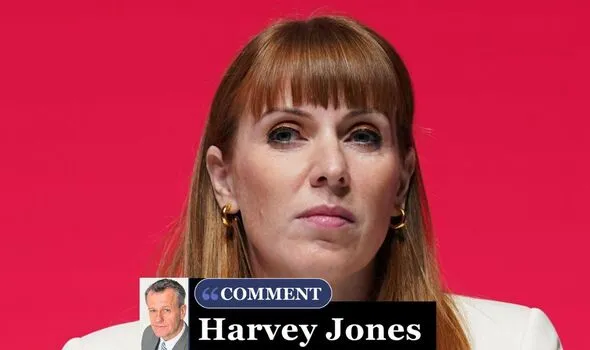
Angela Rayner positions herself as the frontrunner to succeed Sir Keir Starmer as Prime Minister following Labour’s significant electoral defeats last Thursday. Bookmakers now list her as the top favorite to enter No. 10 Downing Street, highlighting her remarkable journey from a working-class background in Stockport, where she became a mother at 16 and left school without qualifications.
Challenges with Public Image
Rayner’s appeal within Labour circles stems from her potential to reconnect the party with its working-class base. However, aspects of her personal style—such as vaping, drinking, and tattoos—may alienate broader voters. An incident where she reportedly damaged a parliamentary door while intoxicated has raised concerns about her suitability to represent the UK internationally. Several Labour MPs reservations, fueling an “anyone but Rayner” sentiment.
Ongoing Tax Investigation
Rayner shares a vulnerability with Starmer: accusations of hypocrisy on financial matters. While advocating for higher taxes, she faces scrutiny over a potential £40,000 stamp duty avoidance on her £800,000 South Coast property. HMRC continues its investigation, which Rayner describes as an innocent error that saved her a substantial sum. The outcome remains pending amid Labour’s leadership turmoil, and voters may prove less forgiving.
Local Election Setback in Home Turf
Labour’s loss of Tameside Council in Greater Manchester—a longtime stronghold in Rayner’s backyard—signals deeper troubles. Reform UK, led by Nigel Farage, mounted a strong challenge there. Should Rayner assume leadership, she risks losing her own parliamentary seat in the next general election.
Rival Andy Burnham’s Dilemma
Potential challenger Andy Burnham enjoys public popularity as Manchester Mayor, with supporters eyeing a safe Labour seat for him. Yet, no such seats appear secure amid widespread anti-Labour sentiment. Voters might reject efforts to position him as a stepping stone to higher office.
Both Rayner and Burnham currently lack the means to directly challenge Starmer, complicating Labour’s path forward as the UK grapples with political instability under the current government.