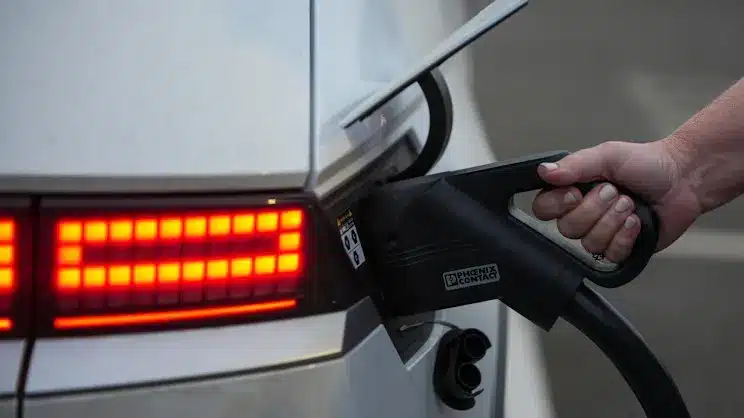
Australia faces a pressing fossil fuel crisis and climate challenges, making a rapid shift to electric vehicles (EVs) essential for city fleets. While the New South Wales government’s EV charger expansion offers progress, hundreds more stations fall short. Experts and drivers alike demand thousands to ensure reliable access nationwide.
Real-World Struggles on Major Highways
During a recent Easter road trip from Sydney to north-eastern Victoria’s national parks, a family in a Volvo XC40 Recharge encountered persistent EV hurdles along the Hume Highway, a key route between Australia’s largest cities. Leaving Sydney’s suburbs, initial confidence faded as charging stations proved inadequate.
Stations exist along highways, but shortages of ports lead to long queues. A quick coffee stop often extends to over an hour. Near Gundagai’s Dog on the Tuckerbox, two vehicles charged while two waited for the limited spots, sparking frustration among drivers.
Technical Glitches and Incompatibilities
Unexpected breakdowns compound the issues. In Albury, five chargers sat offline, forcing drivers to press on in hopes of better luck ahead. Varying apps for different networks, mismatched connectors, and slowed speeds during peak use reduce effective options. Many sites lack true fast-charging capabilities, prolonging waits.
In contrast, petrol stations offer swift refueling: pull in, fill up in five minutes, pay, and go. This reliability explains ongoing hesitation to switch to EVs, despite societal urgency.
Path to Widespread Adoption
Successful transitions require seamless experiences. Governments and businesses must install thousands more chargers across urban and regional areas for quick, dependable access. Anything less leaves Australia vulnerable to fuel market volatility and hampers climate goals.
Dr. Stephen Lightfoot, vice president of the Australian Conservation Foundation, emphasizes that expanding infrastructure dramatically is crucial for embedding EVs in Australian culture.