The Australian economy experienced a modest growth of 0.4 per cent during the June quarter, largely propelled by a significant surge in consumer spending on electric and hybrid vehicles. This uptick in spending helped offset broader economic pressures, contributing half of the total growth recorded for the period. Despite this boost, annual economic growth for the 2025-26 financial year moderated to 2.1 per cent.
Electric Vehicle Demand Drives Consumer Spending
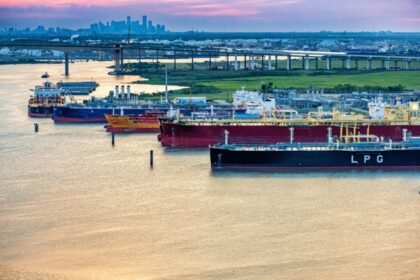
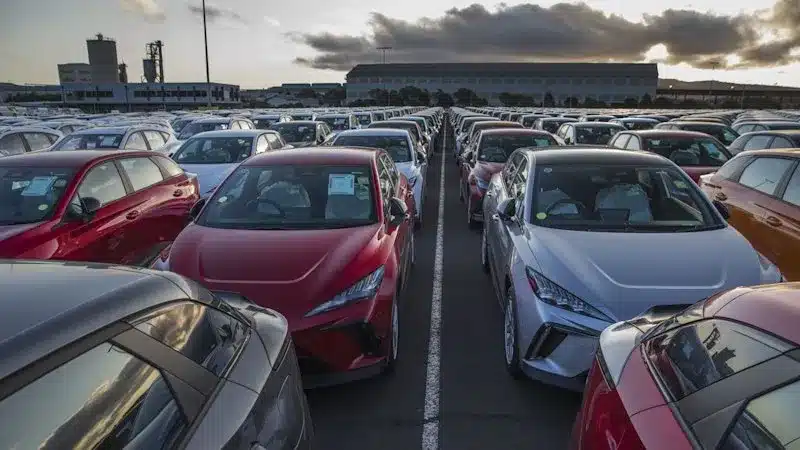
Household spending saw an increase of 0.4 per cent in the June quarter, with the automotive sector, particularly electric vehicles (EVs) and hybrids, emerging as the primary driver. Official data indicates a record number of sales for these vehicles, a trend attributed to consumers seeking alternatives amidst rising global oil prices. These price increases are linked to geopolitical events, including international conflicts and disruptions to key shipping routes like the Strait of Hormuz.
While spending on vehicles surged, other areas of discretionary spending remained subdued. Consumers are reportedly exercising caution due to persistent cost-of-living pressures. This cautious spending behavior was particularly evident in a notable decline in international tourism expenditure.
Subdued Spending and Essential Costs
Essential spending also experienced a downturn, with consumers cutting back on electricity and gas. This reduction is partly explained by unseasonably warmer weather during the winter months, which decreased the demand for heating. The overall economic landscape, according to national accounts data, reflects a cautious consumer base, even as pockets of increased spending and business investment become apparent.
Grace Kim, the head of national accounts at the Australian Bureau of Statistics, commented on the economic climate, noting that while certain sectors showed positive movement, imports played a substantial role in supporting overall growth. This reliance on imports meant their contribution to GDP growth was moderated.
Trade and Investment Dynamics
The trade sector provided a positive contribution to economic growth for the first time since late 2023, bolstered by an increase in exports. This marks a notable shift after a period where trade had a dampening effect on the economy.
Private investment, a key contributor in the preceding March quarter, saw no change in the June quarter. This stagnation was primarily due to a significant decrease in the import of data processing equipment, which is crucial for the development of new data centers. Despite this, business investment remained flat, even as firms continued to invest in the construction of new data center facilities.
Infrastructure and Construction Activity
Investment in engineering construction saw an increase, driven by new projects in the renewable energy and mining sectors. Furthermore, dwelling construction experienced a rise, supported by an ongoing pipeline of work on new residential properties.
Regional Economic Performance
On a state level, economic activity varied. The Northern Territory recorded the strongest growth, with state final demand increasing by 1.4 per cent. Queensland also demonstrated robust performance, with a 1.1 per cent rise in final demand.
In contrast, Victoria experienced a contraction, with its economy declining by 0.3 per cent. This downturn was partly attributed to a substantial decrease in both private and public investment within the state.
Economic Outlook and Consumer Behavior
The recent economic data highlights a complex picture for Australia. While the surge in EV sales demonstrates a consumer response to global energy market shifts and a desire for more sustainable options, it also underscores the broader impact of inflation and cost-of-living pressures on household budgets. The subdued spending in other discretionary areas suggests that consumers are prioritizing essential goods and services, and making strategic choices regarding larger purchases.
The contribution of net trade and the continued investment in infrastructure and construction projects offer some positive indicators for future economic stability. However, the reliance on imports for certain growth components and the cautious sentiment among consumers suggest that sustained, broad-based economic expansion may depend on a combination of global economic stability, domestic policy support, and evolving consumer confidence.
The interplay between geopolitical events, energy prices, and consumer purchasing decisions will likely continue to shape economic trends in the coming quarters. The Australian Bureau of Statistics will closely monitor these factors as they influence household spending, business investment, and overall GDP growth.