The 2026 FIFA World Cup, co-hosted by the United States, Canada, and Mexico, promises to be a global spectacle, showcasing not only the world’s most popular sport but also the impressive sporting infrastructure of the host nations. Many of the venues selected are colossal arenas, some primarily designed for American football, which might lead to confusion for fans encountering them for the first time. A common point of inquiry is why FIFA often lists these stadiums under different names than their usual, sponsored designations. The reason behind this practice is rooted in commercial strategy and brand protection.
The Commercial Rationale Behind FIFA’s Stadium Naming
FIFA’s decision to rename stadiums for the duration of the World Cup is driven by financial considerations, specifically the need to protect sponsorship exclusivity. The organization sells lucrative sponsorship rights to official partners, such as major global brands like Adidas, Coca-Cola, and Visa. These agreements are structured to ensure that these paying partners receive exclusive exposure and association rights, preventing competing brands from gaining visibility during the tournament.
This brand protection framework is crucial for maintaining the commercial value of the event. As the most-watched sporting competition globally, the World Cup represents a significant investment for its sponsors. By ensuring that no rival brands are inadvertently promoted through venue naming, FIFA safeguards the investment made by its official partners and maximizes revenue streams. Essentially, the temporary renaming of stadiums is a strategic move to uphold the integrity of sponsorship deals and the overall commercial appeal of the tournament.
Understanding the Shift in Venue Names
For instance, the AT&T Stadium in Dallas, Texas, which is a prominent venue for American football, is referred to as Dallas Stadium by FIFA during the World Cup. This change is directly linked to Coca-Cola’s sponsorship, ensuring their brand receives the exclusive association without competition from telecommunications companies like AT&T, whose name is typically emblazoned on the stadium.
This practice is not unique to the 2026 tournament; FIFA has implemented similar naming conventions in past World Cups and other major events. The goal is to create a clean slate, free from pre-existing commercial entanglements that could dilute the value of FIFA’s own sponsorship packages.
A Look at the 2026 World Cup Venues
The 2026 World Cup will utilize a diverse range of stadiums across North America, many of which boast impressive capacities. The average stadium capacity for this tournament is substantial, reflecting the scale of the event and the ambition of the host nations to provide world-class facilities. This is particularly noteworthy given that in some host countries, association football is not the dominant sport.
Here is a list of the stadiums selected for the 2026 FIFA World Cup, detailing their official sponsored names and the FIFA tournament designations:
- Atlanta, GA: Mercedes-Benz Stadium (Official/Sponsored Name) becomes Atlanta Stadium (FIFA Tournament Name). Capacity: 75,000.
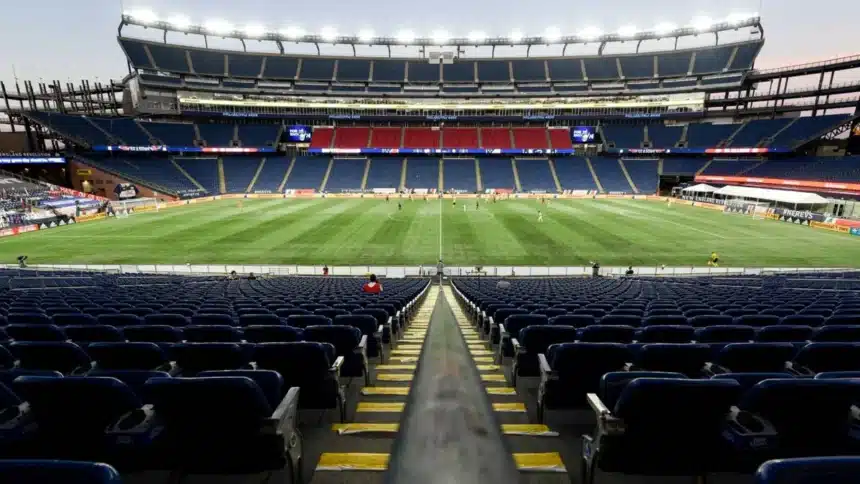
- Boston, MA: Gillette Stadium (Official/Sponsored Name) becomes Boston Stadium (FIFA Tournament Name). Capacity: 65,878.
- Dallas, TX: AT&T Stadium (Official/Sponsored Name) becomes Dallas Stadium (FIFA Tournament Name). Capacity: 92,967.
- East Rutherford, NJ: MetLife Stadium (Official/Sponsored Name) becomes New York/New Jersey Stadium (FIFA Tournament Name). Capacity: 87,157.
- Guadalajara, MX: Estadio Akron (Official/Sponsored Name) becomes Estadio Guadalajara (FIFA Tournament Name). Capacity: 48,071.
- Houston, TX: NRG Stadium (Official/Sponsored Name) becomes Houston Stadium (FIFA Tournament Name). Capacity: 72,220.
- Kansas City, MO: Arrowhead Stadium (Official/Sponsored Name) becomes Kansas City Stadium (FIFA Tournament Name). Capacity: 76,640.
- Los Angeles, CA: SoFi Stadium (Official/Sponsored Name) becomes Los Angeles Stadium (FIFA Tournament Name). Capacity: 70,240.
- Mexico City, MX: Estadio Azteca (Official/Sponsored Name) becomes Estadio Ciudad de Mexico (FIFA Tournament Name). Capacity: 87,523. (Note: The original source listed Estadio Banorte, which is incorrect for the World Cup venue).
- Miami, FL: Hard Rock Stadium (Official/Sponsored Name) becomes Miami Stadium (FIFA Tournament Name). Capacity: 67,518.
- Monterrey, MX: Estadio BBVA (Official/Sponsored Name) becomes Estadio Monterrey (FIFA Tournament Name). Capacity: 53,460.
- Philadelphia, PA: Lincoln Financial Field (Official/Sponsored Name) becomes Philadelphia Stadium (FIFA Tournament Name). Capacity: 69,328.
- Santa Clara, CA: Levi’s Stadium (Official/Sponsored Name) becomes San Francisco Bay Area Stadium (FIFA Tournament Name). Capacity: 70,909.
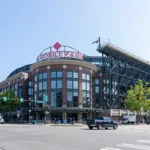
- Seattle, WA: Lumen Field (Official/Sponsored Name) becomes Seattle Stadium (FIFA Tournament Name). Capacity: 69,000.
- Toronto, ON: BMO Field (Official/Sponsored Name) becomes Toronto Stadium (FIFA Tournament Name). Capacity: 45,736.
- Vancouver, BC: BC Place (Official/Sponsored Name) becomes Vancouver Stadium (FIFA Tournament Name). Capacity: 54,500.
Conclusion: A Strategic Approach to Sponsorship
The renaming of stadiums by FIFA for the 2026 World Cup is a clear demonstration of the organization’s commitment to maximizing the commercial potential of the tournament. By implementing strict brand protection measures, FIFA ensures that its official partners receive the exclusive visibility they pay for, thereby securing significant revenue. While this might cause temporary confusion for some attendees and viewers, it is a standard practice in major international sporting events designed to protect and enhance the financial viability of the competition.