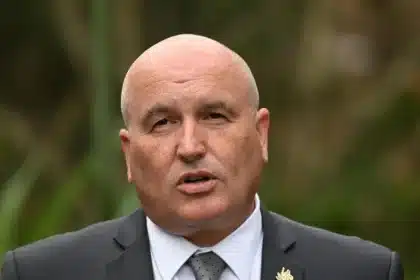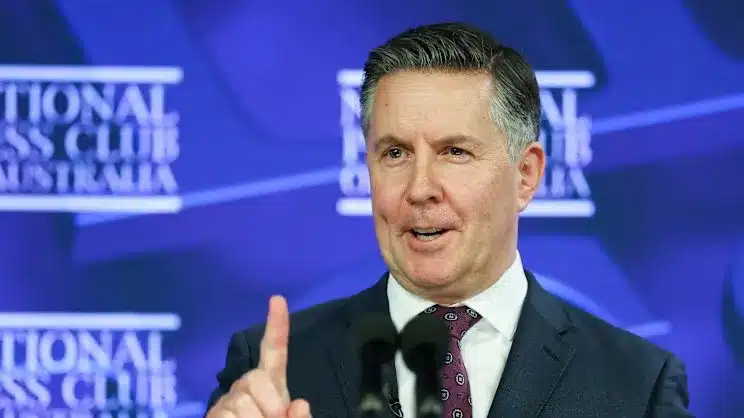
The Australian government plans to eliminate a long-standing private health insurance rebate bonus for individuals over 65, aiming to promote fairness in the tax system across generations. Health Minister Mark Butler announced the decision, which reverses a 2004 policy adjustment that provided seniors with up to 8 percent higher rebates compared to younger people on similar incomes.
Policy Changes and Budget Context
The move aligns with broader efforts to restore intergenerational equity, including the reversal of a capital gains tax discount. Prime Minister Anthony Albanese’s administration targets these reforms in the upcoming May budget to appeal to younger voters facing asset challenges.
Butler emphasized the lack of justification for the senior-specific rebate increase, originally introduced during a politically charged period. “I understand this won’t be a welcome decision for many, but it’s the right thing to do,” Butler stated. “[The change will] re-establish intergenerational equity in the rebate system and free up funding to provide more dignity and care to older Australians.”
Projected Impacts and Aged Care Investments
Government modeling indicates the adjustment will lead to only a 0.4 percent drop in private health insurance memberships. The resulting savings will support $4 billion in additional aged care funding, including:
- $3 billion to create 5,000 new aged care beds annually;
- $1 billion for free at-home services like showering, dressing, and continence management;
- $200 million for dementia care units.
Criticism from Opposition and Industry
Coalition health spokeswoman Anne Ruston criticized the policy, arguing it penalizes seniors who ease pressure on public hospitals through private coverage. “If Australians aged over 65 can no longer afford to pay for private health insurance, this will only add to the burden on our public health system,” Ruston said. She highlighted estimates that around 60,000 older Australians might drop their coverage, increasing strain on public facilities.
Rachel David, chief executive of Private Healthcare Australia, warned that the changes will harm consumers, threaten private hospital viability, and limit health funds’ capacity to improve patient experiences.
Addressing Australia’s Ageing Population
Butler, a key figure in reforming aged care and NDIS systems, stressed the urgent need to support the ageing Baby Boomer generation amid housing and tax inequities for youth. “At a time where the budget is constrained and where we have to find more funds for aged care, we have to do more heavy lifting in aged care,” he noted. “Just as young Australians need us to invest in their opportunity, those older Australians who built the country we’re privileged to enjoy today also need us to invest in their dignity.”
Despite budget expenditure reviews rejecting many requests to curb inflation risks, Butler and Aged Care Minister Sam Rae secured the extra aged care allocations.