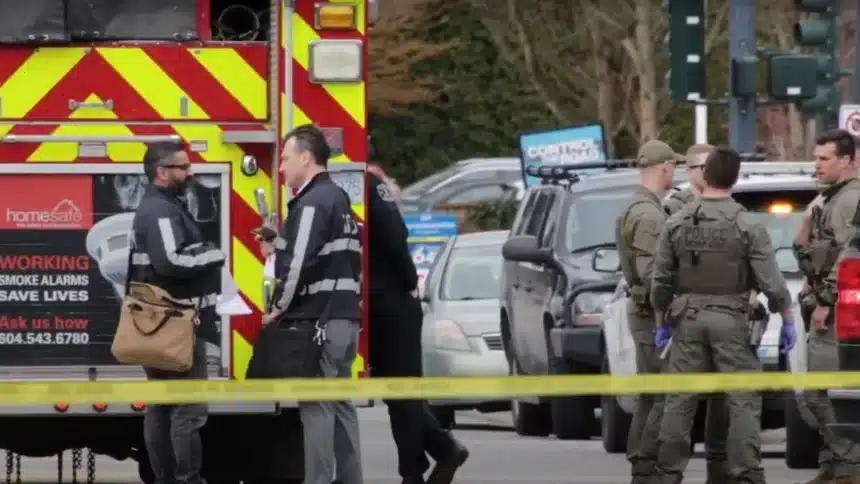
A coroner’s inquest is underway to examine the circumstances surrounding the fatal shooting of Jimmie Johannesson, a 61-year-old Haida Elder, by the Surrey RCMP more than four years ago. The proceedings, which began this week, aim to clarify what transpired during a wellness check on April 8, 2022, and to develop recommendations that could prevent similar tragedies in the future. Coroners inquests are mandated in British Columbia when an individual dies while in the custody or detention of a peace officer.
Inquest Focuses on Fatal Wellness Check
The inquest is being presided over by Coroner Kristen Everett and is scheduled to continue until August 5. The BC Civil Liberties Association (BCCLA) is providing support to Johannesson’s sister, Ruby Marks, throughout the proceedings. According to Latoya Farrell, Policy Staff Counsel at the BCCLA, Johannesson had contacted his probation officer on the morning of his death, expressing distress and suicidal ideation. This call prompted the probation officer to request police assistance for a wellness check at Johannesson’s residence.
Farrell described the events that followed as a rapid escalation, stating that the entire interaction from police entry into Johannesson’s home to the moment he was shot and killed lasted approximately 23 seconds. She indicated that Johannesson was in possession of a knife and made threats toward the officers, leading them to retreat from the residence before one officer discharged their firearm multiple times, striking Johannesson.
Background and Health Considerations
Johannesson’s personal history and health conditions were highlighted as significant factors by Farrell. He had been diagnosed with fetal alcohol syndrome and contended with challenges including depression, anxiety, and dyslexia. Furthermore, in the months preceding his death, Johannesson had suffered three strokes. Farrell emphasized that these strokes, individually, could impact emotional regulation and the ability to comprehend instructions. The added stress of encountering unfamiliar individuals entering his home, a space he perceived as secure, likely contributed to his feeling threatened and his subsequent actions.
Independent Investigations Office Findings
The Independent Investigations Office (IIO), British Columbia’s police watchdog agency, conducted a review of the incident and released a report in 2024. The IIO’s findings concluded that the use of lethal force by the officer was justified under the circumstances. Sandra Hentzen, the IIO’s Interim Chief Civilian Director at the time, stated that there was insufficient evidence to suggest the officer had acted unlawfully, and therefore, the case was not referred to Crown counsel for potential charges.
While acknowledging the challenging nature of confronting an individual within their own home, a factor that can heighten stress, the IIO report also put forth a recommendation. It suggested that police agencies develop specialized training to address the unique risks associated with engaging individuals in their private residences.
Calls for Alternative Response Models
Despite the IIO’s conclusions, the BCCLA maintains that the RCMP’s response to the wellness check may have contravened departmental policy or constituted misconduct. The association is advocating for recommendations that would involve mental health professionals responding to wellness checks, either in conjunction with police or as a primary response. Farrell articulated a desire for “alternative models which help to address the issue of police responding to these types of wellness checks,” underscoring the sentiment that “No one should die because they called for help.”
Family Testimony and Inquest Process
The inquest is hearing testimony from various individuals, including members of Johannesson’s family, his probation officer, and the RCMP officers involved in the incident. On the first day of the inquest, Ruby Marks, Jimmie Johannesson’s sister, testified about her brother’s life. She shared that Johannesson was adopted into a non-Indigenous family as part of the Sixties Scoop, and subsequently struggled with issues of belonging, isolation, difficulties with authority figures, and a history of childhood seizures. Farrell noted that these cumulative life experiences created a “perfect storm” leading to the tragic outcome.
The coroner’s inquest serves as a public inquiry, distinct from a court trial, as it does not assign fault. Its primary objectives are to establish the factual circumstances of the death and to formulate recommendations aimed at preventing similar incidents in the future.