Iranian-Canadian communities in Vancouver and Toronto express a mix of relief and lingering fear following Iran’s agreement to a two-week ceasefire amid escalating threats from U.S. President Donald Trump.
Escalating Tensions and Ceasefire Details
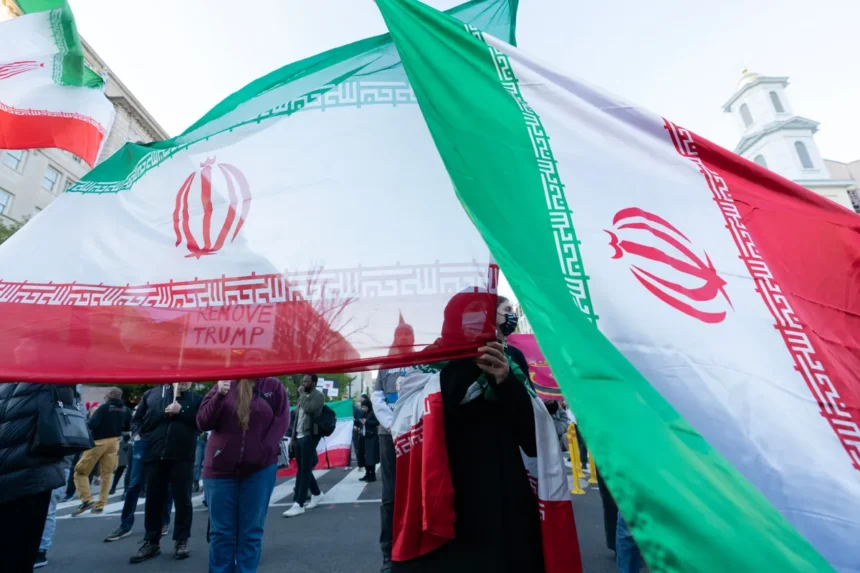
The ceasefire came after Trump’s social media warnings that ‘a whole civilization will die’ unless Iran opens the Strait of Hormuz, with a deadline set for Tuesday evening. Iran suspended attacks about 90 minutes before the deadline, providing temporary respite. Across Iran, residents formed human chains around power plants, while hundreds gathered on bridges waving flags in defiance.
Human rights advocate Soushiant Zanganehpour describes the rhetoric as a dangerous escalation. ‘He has not dealt with an adversary this unmanageable … to threaten the destruction of critical civilian infrastructure … and then to ratchet up those threats to the level of the eradication of the civilization — this is genocidal,’ Zanganehpour states.
Reactions in Vancouver
Members of Vancouver’s large Iranian community react with skepticism and apprehension. One resident notes that the threats seem unlikely to materialize, given Iran’s vast size and rich history that defies easy destruction. Another highlights how Iranians have long endured a harsh regime but warns that the crisis could intensify without a solid resolution plan.
Concerns from Toronto’s Iranian Community
In Toronto, the situation heightens stress for many. Rogina Aselfallah, anxious about her family in Iran, welcomes the pause. ‘I’m very happy that power and water aren’t going to go out for two weeks, but then (what) after the two weeks? That’s scary too,’ she says.
Babak Zamani shares the emotional toll. ‘Every night they are scared to just sleep. We are hoping to end the war as soon as possible,’ he explains, capturing the pain of divided loyalties between desires for political change and fears of devastation.
Sam Fayaz, owner of an Iranian grocery store in Toronto, voices community alarm over the threats. ‘(We) were very concerned, extremely saddened by his comments (about) destroying the entire civilization. That’s really not what we want,’ Fayaz says. He emphasizes a duty to advocate: ‘People have no voice (there) and it’s our job here to be their voice.’
Many in both cities hope the ceasefire fosters a path to lasting peace. Zanganehpour adds, ‘The fact that we don’t have answers, we’re all on the sidelines trying to make sense of unprecedented things. I hope it does bring us a little bit together, because we’re all we have.’