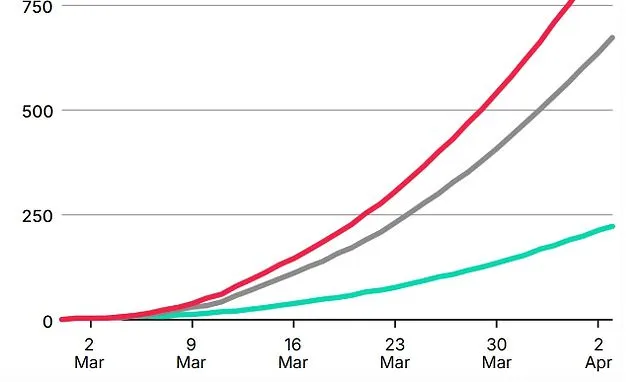
UK drivers face a staggering £1 billion in extra fuel costs from the Iran conflict, with the total surpassing £920 million last night and expected to reach the milestone today amid the Easter getaway rush.
Fuel Price Surge at Forecourts
Average diesel prices climbed to 190.62p per litre yesterday, nearing the 2022 record of 199.09p set during Russia’s Ukraine invasion. Petrol averages hit 157.71p per litre. Since the conflict began on February 28, diesel prices have risen 34% from 142.38p, while petrol increased 19% from 132.83p.
Filling a typical 55-litre family car tank now costs nearly £14 more for petrol and £27 more for diesel compared to pre-conflict levels.
Oil Price Relief from Ceasefire
Global oil prices dropped 13% to $94.80 (£70.73) per barrel following a US-Iran temporary ceasefire. Experts predict pump prices could fall by about 8p per litre—saving roughly £4.50 per fill-up—if the truce holds and the Strait of Hormuz stays open.
US President Donald Trump suspended planned strikes on Iran for two weeks, with Tehran agreeing to lift its Strait blockade to resume oil flows during peace talks. Commercial ship traffic through the Strait has fallen 95% since February 28, tightening supplies and driving up costs. Price changes typically take weeks to reach pumps.
Government VAT Windfall Sparks Backlash
The crisis has generated nearly £170 million in extra VAT for Chancellor Rachel Reeves in just over a month from elevated pump prices. Critics urge her to delay the planned 5p-per-litre fuel duty increase set for September 1, which would add £3 to a typical fill-up.
Reeves and Prime Minister Sir Keir Starmer plan to proceed despite pressure to cut taxes like other nations amid the turmoil.
Expert Warnings and Calls for Relief
Steve Gooding, director of the RAC Foundation, stated: ‘Whether or not we are on the cusp of meaningful and hopefully long-lasting peace, drivers continue to pay a huge “war premium” at the pumps, and the Exchequer continues to receive tens of millions of pounds from drivers in a VAT windfall it wasn’t expecting.’
He added that oil must drop further to $70 per barrel—pre-conflict levels—for sustained relief, meaning pain persists for weeks.
Edmund King, AA president, noted: ‘The conflict has been painful for drivers and hauliers. With the ceasefire now in place, it is hoped fuel prices could fall by around 8p per litre over the coming weeks. However, consumers need an extended period of support… The planned rise of fuel duty starting on 1 September should be delayed.’
Gordon Balmer, head of the Petrol Retailers Association, which represents 4,500 forecourts, said: ‘Falling oil prices are welcome news for motorists and if this trend continues it should be reflected in lower pump prices. However, it is to be noted that this is a temporary ceasefire and the market remains volatile.’
Opposition Criticism
Tory shadow transport secretary Richard Holden criticized the duty hike as ‘the worst possible time for families already struggling… Britain has been left exposed to the energy crisis… Labour should… bin the hike.’
Shadow transport minister Greg Smith added: ‘Labour’s political choice to hike fuel duty this September is a massive kick in the teeth… This chancellor and PM need to get a grip… and scrap their fuel duty hikes.’
RAC Foundation analysis, based on daily consumption and price data from February 28, shows diesel drivers bore £676 million of the extra costs.