Labour Dossier Reveals Bitter Infighting and Allegations of Cover-Up
A trove of over 1,500 newly released documents, compiled at a cost exceeding £1 million, has illuminated significant internal discord within the Labour Party and raised serious questions about a potential cover-up. The extensive files, marked by numerous redactions, reportedly detail internal criticisms of senior party figures and expose the enduring influence of a prominent peer.
Mandelson’s Continued Influence and Starmer’s Controversial Appointment
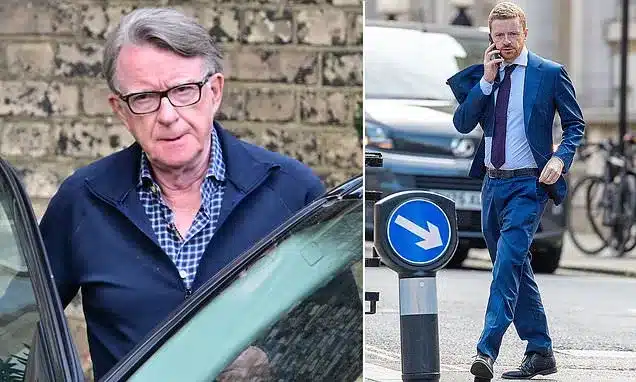
The documents offer a stark look at the behind-the-scenes dynamics, particularly concerning Peter Mandelson, who had previously faced scrutiny following past scandals. Analysis of the files suggests Mandelson continued to wield considerable sway within the Labour Party through his close relationship with the Prime Minister’s then-chief of staff, Morgan McSweeney. This influence is highlighted amidst the controversial appointment of Mandelson as ambassador to the United States.
Critics have pointed to a lack of concrete documentation regarding the Prime Minister’s decision to appoint Mandelson as ambassador. Despite warnings about Mandelson’s continued close association with Jeffrey Epstein, even after Epstein’s conviction for sex offenses involving minors, the released files reportedly contain no minutes or records of the meeting where the appointment was decided. This absence of documentation has fueled accusations of a cover-up, with opposition figures expressing disbelief at the lack of a clear paper trail.
Internal Criticisms and Policy Debates
The released papers also shed light on internal party debates and criticisms directed at prominent Labour figures, including Sir Keir Starmer, Rachel Reeves, Ed Miliband, and Angela Rayner. One particularly striking revelation comes from Work and Pensions Secretary Pat McFadden, who is quoted as complaining that Labour MPs were frequently questioning “who can we tax in order to pay benefits to others?” This statement has drawn sharp criticism from opposition leaders, who suggest it reveals a shift in the party’s focus towards welfare spending.
Further details emerging from the dossier include:
- Mandelson’s communication to then-Foreign Secretary David Lammy, stating the government would “never regret” his appointment.
- Mandelson’s alleged observations of Morgan McSweeney viewing the Prime Minister’s policy U-turns as a “cycle [of] advance/buckle.”
- Reports that Mandelson was offered a briefing with the head of MI6 prior to the completion of his security vetting.
- Mandelson’s reported criticism of potential leadership challenger Wes Streeting, describing his comments on the situation in Gaza as a “mid-life crisis.”
- Mandelson’s alleged arrangement of his start date in Washington to accommodate a potentially lucrative speaking engagement in China.
- The peer’s refusal to surrender his phone to officials compiling the dossier.
- Cabinet Office minister Darren Jones acknowledging the loss of his own messages to Mandelson, adding to cover-up concerns.
- Cabinet minister Nick Thomas-Symonds stating his phone was stolen, preventing the publication of his messages with Mandelson.
- Deputy Prime Minister David Lammy distancing himself from the appointment, having reportedly suggested former Tory chancellor George Osborne for the role.
Questions Over Transparency and Missing Information
The release of these documents followed a parliamentary vote mandating the publication of all materials related to Mandelson’s appointment and tenure. While the government has described the release as the largest-ever “transparency” initiative, the papers have been heavily criticized for their extensive redactions and a significant amount of missing information. Accusations suggest that while many documents were released, a substantial number may have been withheld, lost, or potentially destroyed.
The files also contain critical commentary from Mandelson himself, who reportedly described the government’s communications as “s**t” and No 10 as “bereft and beleaguered,” advocating for a “complete revamp” and a more “Trumpian risk-taking and daredevil way” of leadership. He is also reported to have expressed a lack of confidence in the Prime Minister’s ability to reform Downing Street and advised on the appointment of an economic adviser, amid reported tensions with Rachel Reeves. Mandelson also allegedly warned of Gordon Brown’s perceived efforts to undermine the Prime Minister through Angela Rayner.
The ongoing controversy surrounding Mandelson’s appointment and the handling of these documents risks further eroding public confidence in the political system, according to leadership hopeful Andy Burnham.