The Ministry of Justice has allocated £176,000 to social media influencers to promote government policies since the Labour party assumed power. These payments, made to online content creators, were intended to disseminate information about the department’s initiatives, including aspects of its justice reform agenda.
Influencer Campaigns Aim to Boost Policy Reach
Justice minister Jake Richards confirmed that the sum of £176,140 was spent on “influencer activity.” He explained that the department engaged with content creators who possess the ability to help achieve its communications objectives. Richards highlighted the potential of these creators, stating, “Given their reach and the trusted relationships they have with their audiences, this can be a cost-effective and impactful communications channel for reaching target audiences in support of operational priorities.”
The topics influencers were contracted to promote included “community sentencing” and broader public information campaigns designed to help citizens understand their rights. Additionally, funds were directed towards recruitment drives for prison, probation, and magistracy roles.
Labour has enacted legislation that is expected to result in tens of thousands of individuals avoiding prison sentences. Furthermore, the duration of custodial sentences for many offenders has been reduced. An early release scheme, initiated by the Labour government in autumn 2024, has already led to the release of over 60,000 individuals before the completion of their original sentences.
Criticism from Opposition
The use of taxpayer funds for these campaigns has drawn criticism from the Conservative party. Shadow Justice Secretary Nick Timothy argued that the expenditure was an attempt to “pay for good publicity” given the current Justice Secretary’s record. Timothy stated, “From restricting jury trials, to releasing rapists early, to locking up fewer criminals, Labour have utterly wrecked our justice system. This money would be better spent on our courts and prisons, not social media influencers.”
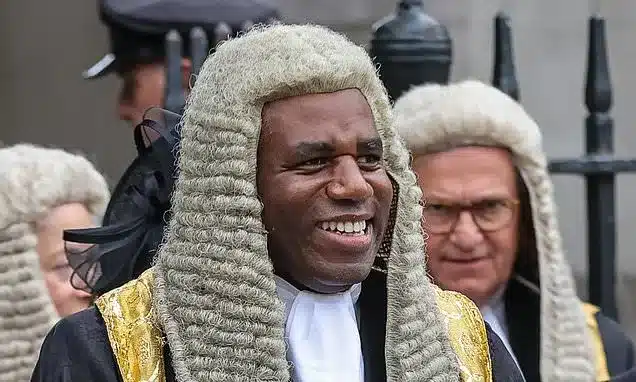
The Ministry of Justice has not publicly disclosed the specific influencers who received payments. However, several content creators have recently featured interviews with Justice Secretary David Lammy discussing policies under his purview. The department clarified that no payments were made for these interviews with Mr. Lammy or any other minister.
Examples of Influencer Engagement
Among those who have engaged with the Ministry of Justice is Freddie Fraser, a contestant on the BBC’s “The Traitors,” who describes himself as an “aspiring presenter.” In a video posted on June 4, Fraser interviewed Mr. Lammy about efforts to make the judiciary “more diverse and representative.” During the exchange, Fraser prompted Mr. Lammy with sentence completions, including “A fair justice system should…” to which the Justice Secretary responded, “Protect everybody.” Fraser’s Instagram account also features content related to fitness and gym workouts.
Another content creator, Georgie Mitchell, known as “The People’s Wedding Planner,” discussed wedding law reforms with Mr. Lammy. Mitchell shared an image of a message she received from the Ministry of Justice’s digital team via Instagram’s business chat function, indicating a formal communication channel.
Ministry’s Rationale for Influencer Use
A spokesperson for the Ministry of Justice defended the strategy, emphasizing the evolving media landscape. “As more people get their information through social media instead of traditional media or government channels, we want to make sure we’re reaching them,” the spokesperson stated. The department views collaborations with influencers as a potentially cost-effective alternative to conventional advertising methods.
The spokesperson further elaborated that such partnerships are pursued “at little or no cost wherever possible.” The primary objective, they stressed, is to ensure the justice system effectively serves the public. This includes supporting recruitment for essential frontline staff in prisons and ensuring that victims are informed about their rights. The ministry reiterated that none of the allocated funds were used to pay influencers for creating content that featured ministers.
Broader Context of Justice Reforms
The payments come at a time when the Ministry of Justice is implementing significant policy changes. The focus on community sentencing and early release reflects a broader approach to managing the prison population and addressing court backlogs. The government’s stated aim is to create a justice system that is both effective and responsive to societal needs, while also ensuring public safety.
The use of social media influencers represents a modern approach to public communication, seeking to leverage the established audiences and perceived authenticity of content creators. This strategy aims to bypass traditional media gatekeepers and engage directly with demographics that may not regularly consume news from government sources or established news outlets.
Conclusion
The Ministry of Justice’s expenditure of £176,000 on social media influencers underscores a strategic shift in how government departments communicate policy. While the approach aims for cost-effectiveness and broader reach, particularly among younger demographics, it has also prompted scrutiny regarding the allocation of public funds and the perceived alignment with justice reform objectives. The department maintains that these initiatives are crucial for disseminating vital information and supporting operational priorities, including recruitment and public awareness campaigns.