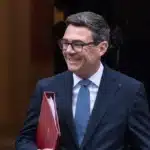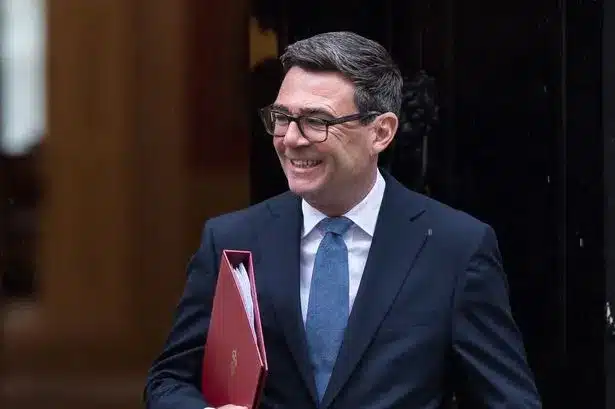
In the political sphere, the concept of the “first 100 days” is a well-established benchmark for new leaders. While Andy Burnham has only been in office for half that duration, the expectations for immediate, transformative change are palpable. Despite the immense pressure, his initial performance has been notably effective, instilling a sense of optimism and the belief that improvements are possible.
Early Achievements and Public Perception
Burnham’s tenure has already seen significant steps, including a notable reduction in energy bill taxes and targeted support for struggling sectors like pubs and music venues. Demonstrating a commitment to decentralization, he has begun relocating parts of the Downing Street operations to the North of England. In just over six weeks, he has undertaken extensive travel across the country, engaging with communities nationwide. His diplomatic efforts have also been evident, including a visit to Ukraine and hosting French President Emmanuel Macron for the opening of the Bayeux Tapestry exhibition in London. Furthermore, he has made a determined effort to address the complexities of the criminal justice system.
During a recent Prime Minister’s Questions, the leader of the Conservative Party, Kemi Badenoch, questioned Burnham’s approach to public spending, asking about cuts. Burnham adeptly reframed the inquiry, highlighting his tax reductions as a key achievement. This response was widely seen as a successful rebuttal, underscoring his administration’s focus on economic relief for citizens.
The Core Challenge: Speed and Inertia
While Burnham’s ability to communicate and his empathetic understanding of public sentiment are recognized strengths, the paramount challenge lies in the speed of implementing change. The prevailing inertia, not only within public services but across various societal aspects, is characterized by a “can’t do” or “can’t be bothered” attitude that can undermine early progress and dampen public enthusiasm. In an era where instant gratification is the norm, exemplified by rapid delivery services like Amazon, explaining the longer timelines required for fundamental societal reform presents a significant hurdle.
Burnham possesses the communication skills to articulate the necessity of time for these larger transformations. However, the political clock is ticking, and the window to regain public trust and demonstrate tangible results is limited. The period following the initial 100 days will be critical, especially with the upcoming budget, which will signal the administration’s concrete plans for delivering on its promises.
Devolution and Day-to-Day Realities
Burnham’s dedication to devolving power away from Westminster and Whitehall is a positive development, signaling a move towards a more distributed form of governance. Nevertheless, the ultimate measure of success will be the impact on people’s daily lives. Simply relocating administrative functions geographically, without addressing the underlying issues that affect citizens directly, may not be sufficient to improve their overall well-being or sense of satisfaction.
The success of his agenda hinges on translating good intentions into effective, tangible outcomes that resonate with the electorate. The coming months will be crucial in determining whether his administration can overcome the deep-seated inertia and deliver the meaningful improvements that the public anticipates.
Broader Political Landscape
The political landscape also includes shifts in parliamentary representation. The departure of Sir Keir Starmer from Parliament will lead to a contest for his North London seat. Notably, the Green Party leader, Zack Polanski, is standing in this election, presenting a challenge for the Labour Party to retain the seat. Polanski’s past public statements and political stances, including views on NATO and his living arrangements, have drawn attention and scrutiny.
In related political developments, Reform UK recently convened its annual conference. Prominent figures at the event included former Conservative ministers Robert Jenrick and Suella Braverman, alongside Nigel Farage. These appearances highlight ongoing realignments and discussions within the UK’s political parties.
Conclusion
Andy Burnham’s initial period in office has been marked by promising initiatives and a positive shift in public mood. However, the true test of his leadership will be his administration’s ability to navigate the complexities of systemic change and deliver results that demonstrably improve the lives of citizens. The challenge of overcoming inertia and the public’s expectation for rapid progress are significant, but Burnham’s communication skills offer a potential advantage in managing these expectations while driving his reform agenda forward.