Towns along the Murray River propelled One Nation to success in the Farrer byelection. From Albury eastward to the South Australian border, spanning nearly 600 kilometers, all 15 polling booths along the river recorded strong support for the party on Saturday night. This shift poses challenges for the Coalition in neighboring areas across state lines.
Communities straddling the Murray River share similar concerns, with thousands of Victorian voters echoing the frustrations that led New South Wales residents to turn away from the Coalition. One Nation’s momentum may extend throughout the Murray-Darling river system, which traverses key Nationals-held rural and regional electorates in Queensland, New South Wales, and Victoria.
Nationals Seats Vulnerable to One Nation Gains
The Murray River marks Farrer’s southern edge and serves as the northern boundary for Victoria’s Nicholls electorate, centered on Shepparton, and Mallee, with Mildura as its primary city. Both remain in Nationals hands. These areas feature large agricultural populations strongly opposed to federal irrigation water buyback schemes.
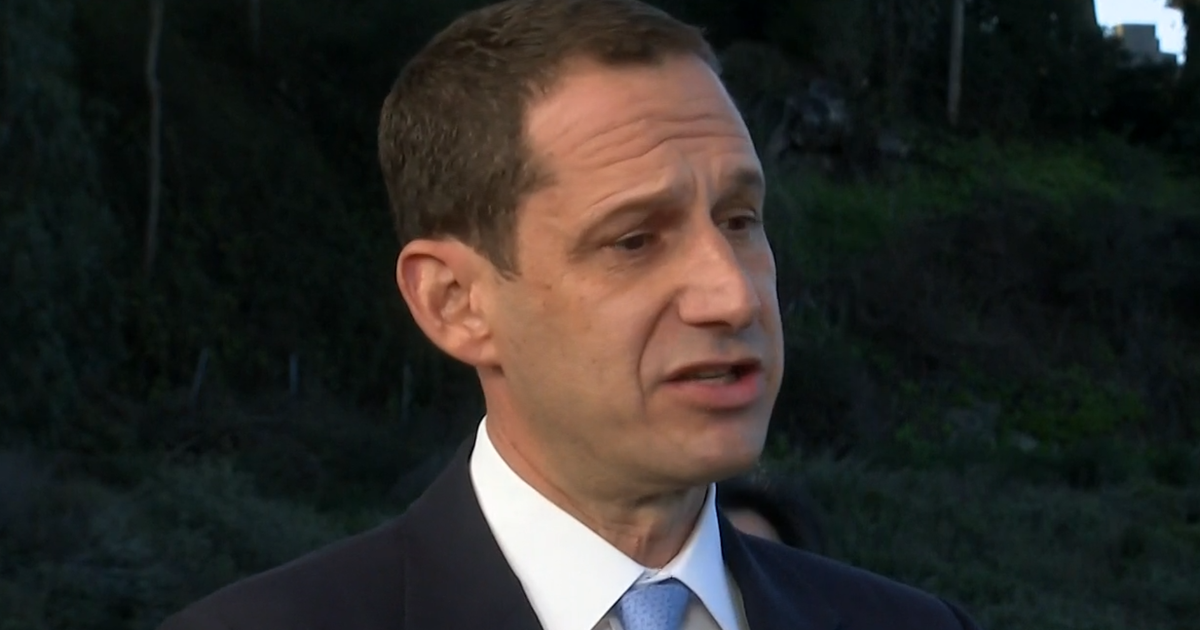
To the east, Indi borders Farrer but includes the regional hub of Wodonga, adjacent to Albury. These urban centers attract younger, more educated, and higher-income residents compared to surrounding towns. Wodonga saw the strongest support for Climate 200-backed independent Michelle Milthorpe in the byelection. Indi already elects independent Helen Haines federally, who anticipates broader regional backlash against the Coalition. “I think what this says is watch out,” Haines stated on Saturday night.
In New South Wales, threats loom for the expansive Parkes electorate in the far west and Riverina, focused on the conservative city of Wagga Wagga. Anti-establishment sentiment has precedent here; two elections back, the Shooters, Fishers and Farmers Party secured three western state seats, though the members later went independent. Wagga’s state seat also holds an independent.
Further north, Queensland’s vast Maranoa, along with Flynn and Capricornia toward the coast, face similar risks from escalating costs, shrinking farm profits, perceived urban policy biases, mechanization, and demographic shifts eroding regional towns. Residents typically report lower median incomes, fewer bachelor’s degrees, and high rates of Australian birth.
One Nation drew solid support in prior contests, such as 20 percent first preferences in Yarroweyah near the Murray in Nicholls, and 37 percent in Cumborah within Parkes. Farrer jumped from 6 percent last year—matching national averages—to 39 percent now, showing rapid growth potential.
Some lawmakers highlight byelections’ tendency for protest votes without government impact. Yet Nationals members increasingly recognize their seats as prime targets. “The Nats are just about buggered. They [current MPs] are all pretty scared,” a former Nationals MP observed. “Between the independents and One Nation, there’s a real chance that they will be decimated, and particularly in NSW.”
Robust One Nation Polling in Other Regions
Top performances last year extended beyond Farrer. Queensland’s Wright, south of Brisbane and including Pauline Hanson’s Scenic Rim home, features high Australian-born populations, incomes $200 weekly below state medians, and low tertiary education rates. Several booths exceeded 20 percent first preferences.
Victoria’s Gippsland, Nationals deputy leader Darren Chester’s coal, farming, and timber district, saw seven booths surpass 20 percent, peaking at 31.3 percent in Yallourn North amid a coal plant phase-out set for 2028.
New South Wales’ Labor-held Hunter, a mining and agriculture hub, had 11 booths over 20 percent. Like many Coalition seats, it boasts high Australian-born voters and low university attainment, already forming a two-party contest with One Nation alongside Maranoa. Party insiders view Maranoa as next if former leader David Littleproud steps down.
Urban Ambitions Face Hurdles
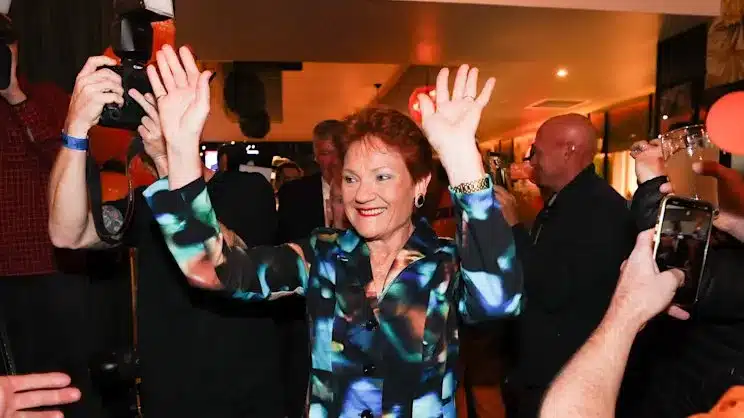
One Nation leader Pauline Hanson proclaimed on Saturday, “We’re coming after those other seats.” MP Barnaby Joyce eyes western Sydney next. Yet urban fringes present barriers beyond incomes and education.
Cultural diversity proves key. Melbourne’s Bruce, with below-average incomes and degrees, might seem fertile ground. However, over half its residents were born overseas, one in seven are Muslim, and nearly two-thirds have at least one foreign-born parent. Similar patterns mark McMahon (49 percent overseas-born), Watson (45 percent), and Rankin (57 percent).
“These people have listened to Hanson’s hardline stance on foreigners and Muslims and Asians for years. They aren’t about to forget,” an outer-suburban MP noted.