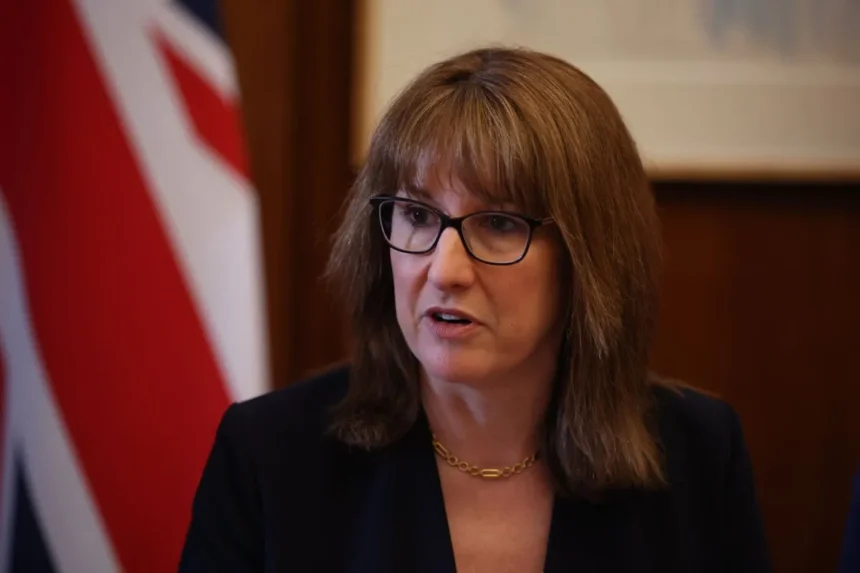
UK Chancellor Rachel Reeves prepares to meet US Treasury Secretary Scott Bessent in Washington DC amid escalating tensions from the Iran conflict. The discussions occur during the IMF’s spring meetings, overshadowed by the Gulf crisis driving up energy prices worldwide.
IMF Warns of Severe Economic Fallout
The IMF has sharply reduced Britain’s growth forecasts for the next two years, identifying the UK as the major economy facing the largest impact. Officials describe the global outlook as abruptly darkened, with risks of a worldwide recession in severe scenarios and potential for an unprecedented energy crisis.
Inflation and unemployment rates are projected to rise, though Bank of England Governor Andrew Bailey emphasizes the UK’s strong position due to its resilient banking system, strengthened post-2007 financial crisis.
Clashing Views on Conflict’s Cost
Bessent argues that a brief period of economic discomfort justifies preventing Iran from acquiring nuclear weapons. He states, “a small bit of economic pain for a few weeks is worth taking off the incalculable tail risk of either a nuclear Iran or a nuclear Iran that uses that weapon.” He predicts the conflict will end soon, allowing prices to stabilize and inflation to ease.
Reeves expresses deep frustration over the US entry into the war without a clear exit strategy or defined objectives, labeling it a folly that burdens households globally. She rejects involvement in the US blockade of the Strait of Hormuz, advocating de-escalation throughout the conflict.
The Resolution Foundation estimates average UK households could lose £480 this financial year due to the war’s effects, though Reeves disputes this figure.
Trump Signals Potential Iran Talks
President Donald Trump indicates a second round of US-Iran negotiations could begin within days after weekend talks failed. In an upcoming Fox Business interview, he claims the conflict nears resolution and Iran urgently seeks a deal, warning, “If I pulled up stakes right now, it would take them 20 years to rebuild that country.”
Trump defends the Strait of Hormuz blockade as a response to Iran’s control, which he calls blackmail. US Central Command reports no vessels, including Chinese tankers, have breached the blockade so far.
International Coordination Efforts
Prime Minister Sir Keir Starmer pushes for global cooperation to reopen the Strait of Hormuz, vital for one-fifth of world oil and gas shipments. Its partial closure has spiked fuel, food, and goods prices.
China’s President Xi Jinping condemns the situation, urging opposition to a return to the “law of the jungle.” Diplomats continue behind-the-scenes work amid a fragile ceasefire, with Iran threatening regional retaliation.