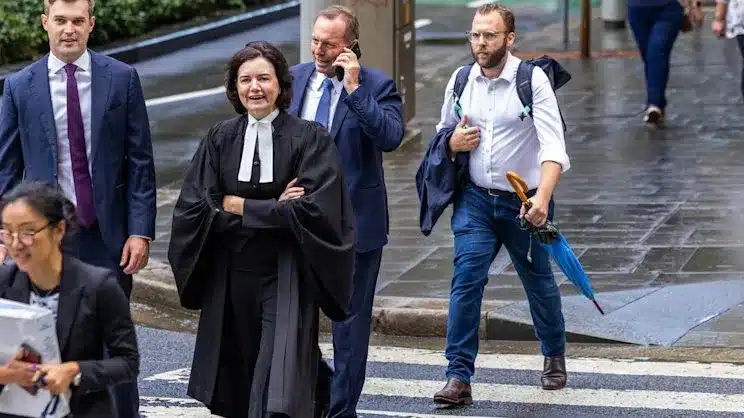
While driving recently, two men in their late middle age approached a pedestrian crossing. I slowed and stopped early, about five meters from the curb. As they passed in front of the car, I waited for a simple nod or wave in thanks—none came. One man focused intently on speaking, the other on listening. Irritated by the lack of courtesy, I nearly rolled down the window to comment. Then I recognized the speaker as former Prime Minister Tony Abbott. Shouting seemed pointless; he faces public heckling regularly and might dismiss it as political animosity rather than a manners issue.
Farrer By-Election Signals Liberal Struggles
This encounter lingered amid the upcoming Farrer by-election, expected to further erode the Liberal Party’s presence in Canberra. Leading contenders—One Nation’s David Farley and independent Michelle Milthorpe—tap into widespread voter frustration with major parties. Liberals cling to hopes of favorable preference flows, a slim chance for a party grappling with unclear messaging. Labor observes from afar, as non-Labor votes split.
The Power of Political Authenticity
Authenticity drives success in modern politics. Long-term opposition, as Pauline Hanson demonstrates over three decades of consistent messaging, builds credibility. Voters may disagree with her views but appreciate her predictability. Governing erodes this edge, as leaders balance competing demands and dilute their core identity.
Labor holds power but risks long-term voter drift without embedding distinct values. For federal Liberals, reclaiming opposition status poses the real challenge. They often mimic government rhetoric, lacking sharp alternatives. Angus Taylor’s speeches, for instance, evoke private club banter—evasive and disconnected from everyday voters, echoing patterns from past leaders.
Abbott’s Potential Role and Revival
Tony Abbott emerges as a candidate for Liberal federal president, positioned to succeed former South Australian Premier John Olsen. Alexander Downer may challenge him. Abbott’s outsider-insider appeal persists. He joined Fox Corporation’s board in 2023, and his bestselling History of Australia highlights overlooked historical figures.
Recent prime ministers have overshadowed him, boosting his relative standing among conservatives. Abbott mentored Taylor, whom party insiders view as a dynamic successor. As the last Liberal leader to win from opposition, he offers proven clarity over broad appeals.
Abbott excels at opposition, blessed with a knack for clear stances. In the late 1990s, he early recognized One Nation’s threat to Liberals, aggressively countering Hanson. The Farrer contest underscores Liberals’ crossroads: viable alternative or marginalized right-wing relic.
Lessons from the Road and Beyond
Abbott represents a shrinking demographic but stands firmly against certain trends, mirroring Hanson’s appeal. He reports frequent calls to return to politics, signaling demand for authentic voices. Paired with Taylor, this shift bets on political cycles turning favorably.
In Warringah, Abbott lost to Zali Steggall in 2019; her support has since solidified. His base now aligns more with Hanson’s voters. Conservatism could revive through values like social cohesion and everyday courtesies—such as acknowledging a stopped car at a crossing. As George Burns quipped, ‘The key to success is sincerity. If you can fake that, you’ve got it made.’ Abbott appeared deeply engaged in conversation, suggesting conviction beyond mere performance.