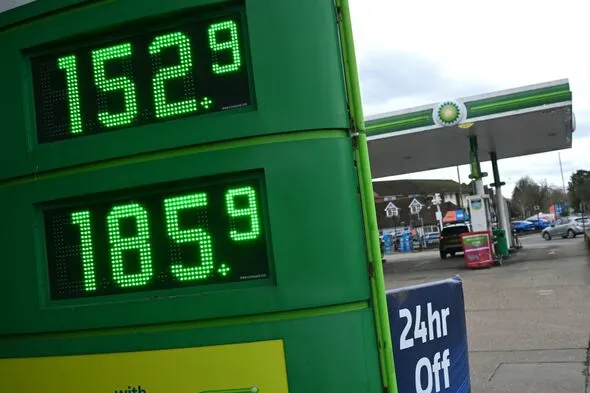
Motorists across the UK face sharply rising fuel prices triggered by the ongoing conflict in the Middle East. Diesel now averages 181.2p per litre at forecourts, marking a 27% increase from 142.4p on February 28, the day hostilities escalated. Petrol prices have climbed 14% to 152.0p per litre from 132.8p over the same period.
Recent days have seen some petrol stations temporarily close nationwide, yet officials maintain that supplies remain ample. A Downing Street spokesman addressed shortage concerns, stating: “We’ll always plan for all eventualities.” He emphasized: “To be very clear, as the Prime Minister Sir Keir Starmer has said, and as the government and industry confirm, fuel production and imports continue uninterrupted. The UK enjoys diverse and resilient supply chains. Petrol stations stay well-stocked nationally, and claims to the contrary are inaccurate.”
Combat Rising Costs with These 10 Fuel-Saving Strategies
Even with steady supplies, escalating prices demand action. Daily price tracking highlights simple adjustments that enhance efficiency, benefiting both wallets and the environment. Upgrading to a more efficient vehicle helps, but these tips optimize your current car.
1. Prioritize Regular Maintenance
Routine servicing and checks significantly improve fuel efficiency. Ensure tyres match the pressures in your owner’s manual—under- or overinflation both harm economy.
2. Accelerate Smoothly and Respect Speed Limits
Aggressive acceleration and high speeds burn more fuel. Stick to or below limits, adapting to road conditions. Narrow, hazard-filled 60mph roads call for controlled speeds to avoid constant braking. Optimal efficiency often falls around 45-50mph, though vehicles vary; hypermiling—adjusting to terrain—maximizes savings.
3. Shift to the Highest Gear Within Limits
Accelerate steadily to reach cruising speed and top gear quickly, without revving excessively. This lets the engine run efficiently. In cities, frequent stops limit this, but prioritize high gears where possible to minimize revs and fuel use.
4. Anticipate Traffic and Drive Smoothly
Maintain steady speeds with gentle inputs on steering, accelerator, and brakes. Stay in gear when decelerating to engage the fuel cut-off, using almost no fuel. Scan ahead to ease into slowdowns for lights or bends. Before hills, build speed slightly within limits, then coast up using momentum.
5. Use Cruise Control Wisely
Cruise control excels on flat motorways, holding constant speeds for optimal efficiency. Avoid it on undulating roads, where it may increase consumption. Motorways prove the most efficient routes, allowing top-gear cruising with minimal fuel.
6. Remove Roof Bars and Boxes When Unused
These create drag, worsening at higher speeds—an empty rack adds 16% at 75mph, a box 39%. Even small flags or open windows mimic this effect.
7. Limit Air Conditioning and Heating
Both sap engine power, especially in older cars. Dress for the weather to reduce reliance; modern systems fare better but still impact economy.
8. Combine Trips for a Warm Engine
Group errands into one journey. Cold starts guzzle more fuel than a warmed engine covering the same distance.
9. Shed Unnecessary Weight
Extra boot items raise consumption subtly. Clear out clutter for long-term gains.
10. Activate Stop-Start Technology
Found in recent models, this shuts off the engine during idle. Experts recommend it for stops over 10 seconds—idling burns up to half a gallon per hour, enough for 25 miles.