Rising Threat of ‘Crash for Cash’ Insurance Fraud
Minor car collisions can unsettle even seasoned drivers, but many unknowingly fall victim to ‘crash for cash’ scams orchestrated by organized criminal gangs across the UK. These fraudsters stage deliberate accidents, often using mopeds, to inflate insurance claims, driving up premiums for innocent motorists and leaving them with repair costs and lost no-claims bonuses. Alarmingly, scammers now steal victims’ identities during these incidents.
Drivers face intentional crashes where moped riders brake abruptly or dart into junctions, forcing collisions. Victims suffer financial hits, including higher insurance rates and excess fees, while fraudsters pocket compensation for fabricated damage and injuries.
A Driver’s Close Call
Driver Miranda Knox recounts turning her Volvo SUV from a quiet junction after checking both ways. A moped suddenly appeared, smashing into the driver’s side—with her seven-month-old baby in the back seat. No one was injured, but the incident left her shaken.
Knox shares: “We exchanged details and both drove off, but I had a niggling feeling something felt ‘off’. Whether my suspicions are correct, I’ll probably never know, but I later discovered the incident had all the hallmarks of a ‘crash for cash’ scam. There were red flags I had no idea about.”
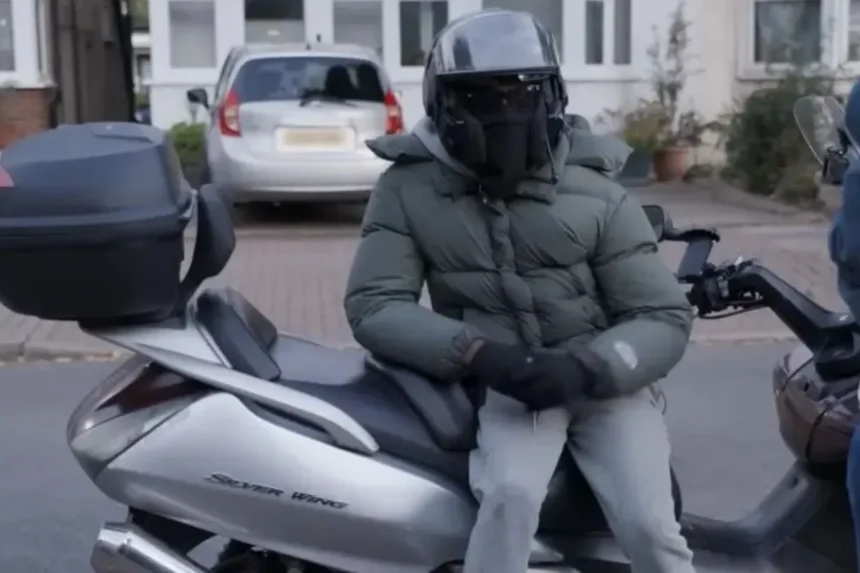
The rider immediately dismounted, filmed the scene without speaking, kept his helmet on, and showed insurance and license photos on his phone—potentially hiding his identity. He claimed limited English, took her number reluctantly, and declined to share his. Claims firms later contacted her; one rejected a claim due to identity concerns from silent footage.
Knox notes: “As a parent with a baby, I was exactly the type of ‘vulnerable’ driver often targeted. With no dash cam or witnesses, I couldn’t prove fraud. I lost my no-claims bonus, face higher premiums, paid £600 excess, and spent hours on calls.”
Red Flags and Tactics
Scammers exploit flustered drivers post-crash. Key warning signs include immediate filming, helmet retention, quick phone document displays, and requests to photograph your license—used later for identity cloning and bogus policies.
The Insurance Fraud Bureau (IFB) reports an incident every four minutes, with gangs netting up to £60,000 per crash. Allianz detected a 6,250% rise in motorbike courier fraud in 2023. Between summer 2024 and March 2025, over 1,100 fraudulent policies used stolen victim details.
Mark Wilkinson, Managing Director at Norton Insurance Brokers, explains: “Motorbikes are perfect for fraud. They’re nimble, position convincingly for crashes, and riders vanish quickly. Helmets and scarves make identification nearly impossible.”
Identity Theft Surge
AXA warns of rising motorcycle incidents where scammers snap license photos. Their fraud team probed 1,000 such claims in three years. Driver Phil Allcock describes a moped slamming his car; the rider photographed his license, leading to 11 unauthorized policies and police notices for speed violations.
Allcock states: “I was shaken and let him photo my license. Weeks later, insurance letters arrived, causing stress and endless admin.”
Wilkinson adds: “Scammers exploit distraction, especially with children present, to clone identities for further fraud.”
How to Protect Yourself
Car insurance expert Kara Gammell from MoneySuperMarket advises: “Stay calm, never hand originals or allow ID photos. Swap details verbally, note registrations. Photograph everything and report to your insurer immediately—even for minor prangs. Flag suspicions early; insurers have fraud teams.”
City of London Police recommend:
- Watch for parked vans near junctions as moped hideouts.
- Beware loitering riders in residential areas off high streets.
- Note overreactions or faked injuries.
- Expect helmets post-crash to evade ID.
- Install front/rear dash cams for evidence.
- Offer witness support; note moped details.
- Resist pressure to show/photograph documents.
Scott Clayton, Head of Claims Fraud at Zurich UK, warns: “Without dash cam, witnesses, or evidence, proving innocence is tough. These scams disrupt lives beyond finances.”
Fatal Risks and Organized Crime
Scams turn deadly: In 2013, Baljinder Kaur Gill, 34, died in a staged crash scam. In 2014, 88-year-old Betty Laird perished in an orchestrated collision. Her son John hoped: “This scheme ends before more innocents die.”
A Channel 4 documentary captured scammers flaunting Rolexes, diamond bracelets, and chains funded by victims. One, ‘Crash Bandicoot,’ admitted: “There is remorse, but I’m doing my job.” A full-time ‘crash dummy’ shrugged off victim worries: “Just business.”
Gangs involve medics and insiders for claims. Clayton notes links to broader crime. The Association of British Insurers spends £200 million annually combating it. Wilkinson describes structured networks with accomplices in claims and garages.