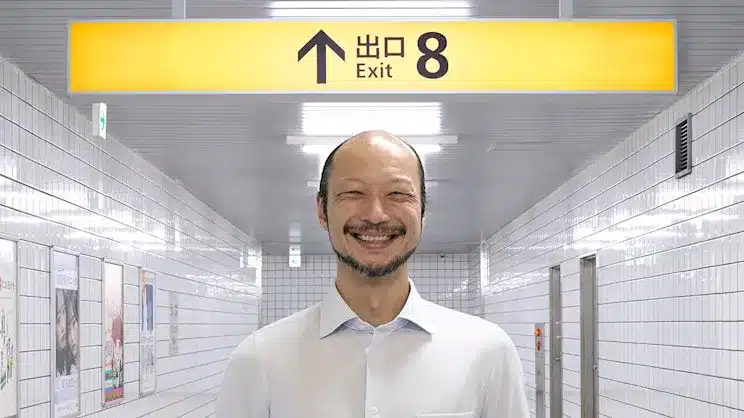
Genki Kawamura, a lifelong gaming enthusiast, dove into Exit 8 the moment it launched. He quickly turned to online streams, discovering a new layer of gaming culture where viewers share in the drama and stories alongside players.
From Gamer to Multitalented Creator
At 47, Kawamura balances high-profile roles in film and music video production, boasting 42 producer credits. He also pens novels and scripts, directing his first short film, Duality, which premiered at the Cannes Film Festival in 2018. His feature A Hundred Flowers, adapted from his novel, earned best director at the San Sebastian Film Festival in 2022. Last year, Exit 8 secured a U.S. distributor after a prime midnight screening at Cannes.
Kawamura’s debut novel, If Cats Disappeared from the World, published in Japan in 2012, sold 3 million copies globally. It poses a poignant dilemma: a dying man gains extra days by erasing everyday elements—what would he sacrifice? Mobile phones vanish easily, movies too, but cats prove a heartbreaking choice.
Inspiration from a Viral Walking Game
For Exit 8, Kawamura crafted both novel and script alongside Kentaro Hirase, transforming a simple subway escape game into a psychological chiller. Players navigate endless passages, spotting subtle anomalies to turn back and survive.
“It reminded me of Dante’s Divine Comedy and the journey through Purgatory,” Kawamura explains. “All this human sin we carry manifested in this white corridor. Some spot anomalies instantly with anger; others show remarkable resilience to the game’s tricks.”
J-pop star Kazunari Ninomiya portrays the nameless protagonist, a commuter trapped in panic amid gleaming halls and eerie strangers. Flashbacks reveal his daily subway ride, ignoring a crying baby, and a call about his partner’s pregnancy dilemma. He questions if he’s dead, awaiting judgment. “Maybe the characters are indeed dead and just waiting to be judged,” Kawamura muses.
Delving into Memory and Guilt
Kawamura favors intimate themes over blockbusters. “Rather than disaster or monster movies, I gravitate toward memories, guilt, regret—things we carry daily,” he says.
In A Hundred Flowers, music producer Izumi confronts his mother Yuriko’s dementia while clearing their old flat. A unspoken secret lingers: she abandoned him at 12 for a lover, mirroring Kawamura’s grandmother’s story. “Talking to my grandmother opened a secret door into those blank years,” he recalls. “In her final awareness, it felt like witnessing a memory’s last bloom before withering.”
Despite the shock, Kawamura finds universality. Fans shared similar family silences, highlighting how memories blend happiness and guilt, especially in dementia.
Multiple Mediums and Future Projects
He adapts novels like Million Dollar Man and April Come She Will into scripts. “Novels explore inner monologues and backgrounds that film can’t fully capture,” Kawamura notes. He views Exit 8‘s novel and film as complementary.
Upcoming, The Horse and I adapts a true embezzlement tale where a woman bonds non-verbally with horses. “She lost faith in words, seeking rhythm in equine trotting and her singing,” he describes.
Communication failures captivate him. Daily subway rides reveal smartphone obsession: “Everyone’s so indulged they ignore a crying baby.” He warns of anomalies we overlook in our selfish rush forward.