The United States has imposed a blockade on Iranian ports by securing control over the Strait of Hormuz, countering Iran’s recent assertion of dominance over this vital waterway. Iran now includes recognition of its sovereignty over the strait— the world’s premier energy corridor—among its conditions to end the conflict.
Key Maritime Choke Point
The Strait of Hormuz ranks among the globe’s most critical maritime choke points, narrow passages handling massive global trade volumes. History shows that operations to seize such corridors often exact a steep toll, far beyond initial expectations. As the anniversary of the failed Gallipoli campaign nears on April 25, allies weigh these precedents amid rising tensions.
The Gallipoli Campaign: A Cautionary Tale
By early 1915, Britain, France, and their allies faced a stalemate in World War I. To sustain Russia with munitions, they targeted the Dardanelles straits, controlled by the Ottoman Empire, linking the Mediterranean to the Black Sea via Gallipoli peninsula and Asia Minor.
Allied leaders opted for a naval-only assault, spearheaded by Winston Churchill as First Lord of the Admiralty. Using older warships, they viewed it as a low-risk sideshow deployable and retractable at will. Despite private doubts from some ministers and admirals, the plan advanced.
Naval forces thrive in open seas but falter in confined straits, exposed to land artillery and mines. Turkish defenses, bolstered with heavy guns and mines since war’s outset, proved formidable. Minesweepers faced devastating barrages, while battleships struck unswept mines, sinking nearly a third of the fleet.
Historian Jörn Leonhard notes, “With just one minelayer, the Turkish navy had successfully sealed the mouth of the Dardanelles.”
Escalation to Ground Forces
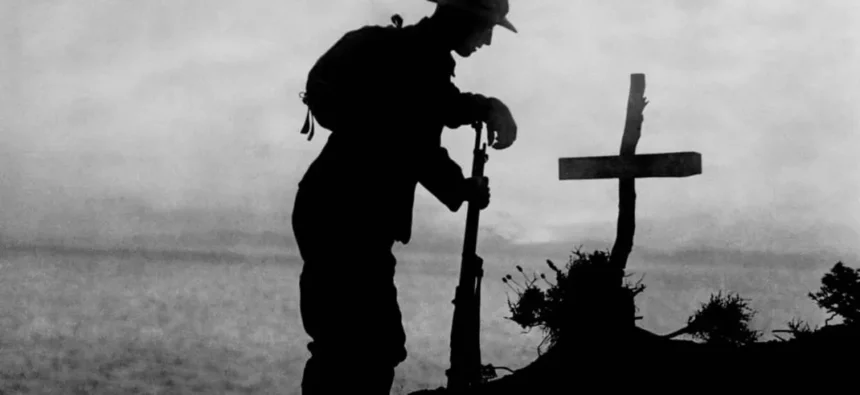
Stakes rose with British prestige on the line. On April 25, 1915, Allied troops, including Anzacs, landed to neutralize coastal guns. Outnumbered yet positioned advantageously, Turkish forces inflicted heavy losses. Total casualties reached about 483,000 before Allied withdrawal.
Historian John H. Morrow Jr. observes that Turkish defenders, though outnumbered, held superior ground and fought tenaciously.
Parallels to the Current Strait of Hormuz Standoff
Complex strategies demand thorough consultation and evidence-based analysis accounting for all risks. Gallipoli’s planners overlooked defenses and intelligence. Today’s U.S. approach against Iran draws similar critiques for erratic execution.
Gunboat diplomacy failed in 1915 and struggles now in 2026. Underestimating Iran’s resolve mirrors past errors, potentially fueling mission creep as initial efforts fall short. Easy prior actions, like those against Venezuela, may have misled calculations.
Gallipoli produced massive military deaths; this conflict tallies chiefly civilian losses. Escalation risks more, alongside economic fallout from disrupted energy and fertilizer flows, hitting vulnerable regions hardest.
Evolving Threats in Choke Points
Naval power faces heightened risks today. Proliferating affordable drones and missiles empower weaker states and non-state groups to challenge advanced fleets effectively.
Scrutiny of the Iran conflict mirrors Gallipoli’s enduring lessons: quick military resolutions prove elusive. Diplomacy remains essential. Australia, exercising sovereignty, charts its independent course.