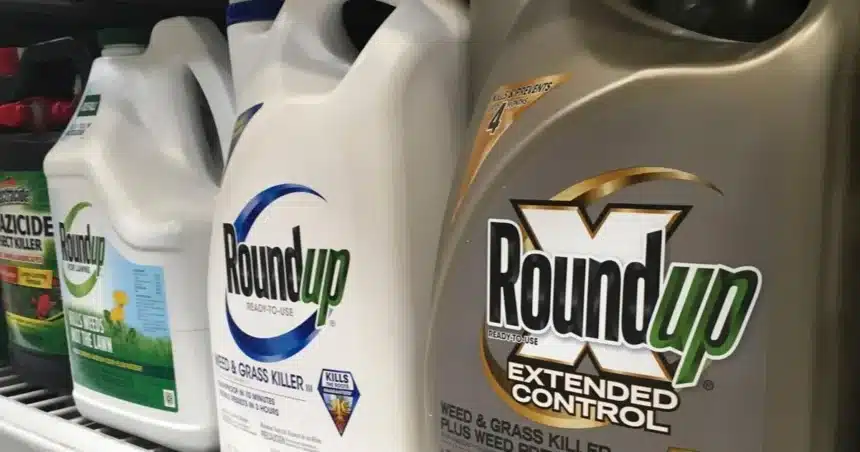
Federal Agency Increases Oversight of Controversial Herbicide Ingredient
Following the retraction of a key study that previously supported its safety, regulators are facing renewed pressure to re-evaluate the approval of a widely used pesticide. While the government has maintained its stance on the safety of glyphosate, the active ingredient in products like Roundup, behind the scenes, its monitoring efforts have been significantly enhanced.
In a recent development, officials confirmed that glyphosate is now being monitored under a new Continuous Oversight Policy. This policy, introduced in October, is designed to better equip the government to track evolving scientific understanding and identify potential emerging risks associated with registered chemicals.
Background of the Controversy
Glyphosate, a staple in agriculture, forestry, and home gardening since its introduction in the 1970s, has been the subject of ongoing safety concerns. The popular weed-killer is applied to various crops, including canola and wheat, and is utilized by the forestry sector.
A significant turning point occurred last fall when the journal Regulatory Toxicology and Pharmacology issued a retraction for a 2000 article. This article, which had concluded there was no link between glyphosate and cancer, was later found to be based solely on unpublished studies from its manufacturer, Monsanto, and raised questions about potential ghostwriting and undisclosed financial ties.
Conflicting Scientific Assessments
The World Health Organization’s International Agency for Research on Cancer (IARC) concluded in 2015, after independently reviewing approximately 1,000 studies, that glyphosate is “probably carcinogenic to humans.” This assessment contrasts with the government’s position.
Health Canada, in its previous product reviews, cited hundreds of additional studies that informed its conclusion that glyphosate is safe. The agency stated that the recent decision to monitor glyphosate under its continuous oversight program is not a direct response to the retracted study, nor does it alter its prior review findings. Instead, the move is attributed to the substantial volume and rapid pace of new information concerning glyphosate since the regulator’s last product review in 2017.
Potential for Special Review
The implementation of continuous monitoring could lead to a “special review” of glyphosate by Health Canada’s Pesticides Regulatory Directorate (PRD). According to departmental policy, such a review is triggered if there are reasonable grounds to believe that health or environmental risks, or the value, of a pesticide may no longer be acceptable. A special review has the potential to amend or cancel the pesticide’s registration.
Environmental advocates view the increased monitoring as a positive step. Bronwyn Roe, a lawyer with Ecojustice, stated that the continuous oversight is warranted given the growing body of science raising concerns about glyphosate’s health and environmental impacts. Roe expressed hope that this enhanced monitoring will lead to a special review or a more comprehensive re-evaluation of the chemical.
Industry and Legal Perspectives
Bayer, the current owner of the Roundup brand, maintains that its glyphosate-based products are safe and that the enhanced monitoring process does not indicate a health concern. The company asserts that national regulators, including Health Canada, have generally approved these herbicides for agricultural and forestry use.
The scientific debate surrounding glyphosate is further complicated by a wave of lawsuits. In the United States, approximately 200,000 lawsuits have been filed against Bayer, alleging failure to warn users about cancer risks. While many cases have been dismissed or decided in favor of the company, Bayer has also lost or settled others, incurring significant financial costs.
In Canada, a class-action lawsuit was certified in 2023. The representative plaintiff alleges a diagnosis of non-Hodgkin’s lymphoma following significant exposure to glyphosate during summer jobs. Lawyers involved in the class action indicated that the government’s shift to continuous monitoring will not alter their legal strategy, which focuses on the manufacturers’ knowledge of carcinogenic risks and their warning practices.
Bayer has consistently defended its products, stating that a broad array of studies it has conducted and sponsored demonstrate Roundup’s safety when used as directed. The company also argues that the WHO’s classification does not reflect real-world exposure levels and that national regulatory decisions are more comprehensive.