Tensions Rise Over Vital Waterway Amid Diplomatic Talks
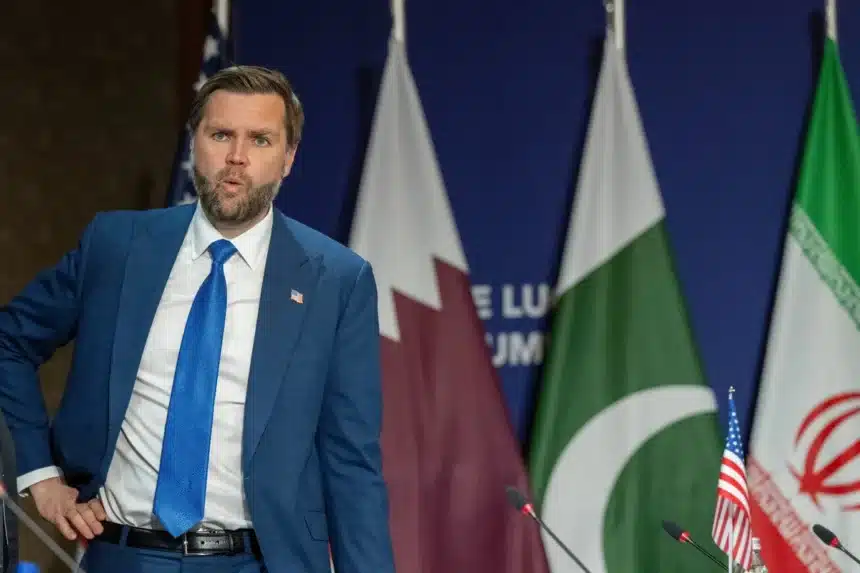
GENEVA, SWITZERLAND – The initial day of high-level discussions between Iran and the United States concluded today, with Pakistan’s prime minister serving as a key intermediary in the proceedings. While the US vice president, JD Vance, characterized the negotiations as “great progress,” subsequent remarks from President Trump reintroduced a confrontational tone, specifically concerning the Strait of Hormuz. The President issued a stern warning, stating the US would assert control over the critical shipping lane “if we have to.”
The ongoing talks, held in Switzerland, aim to de-escalate a period of heightened geopolitical tension. The Strait of Hormuz, a narrow waterway connecting the Persian Gulf to the Gulf of Oman, is a vital chokepoint for global oil shipments, making any disruption in the region a matter of international concern.
Vice President Vance expressed optimism following the day’s discussions, highlighting perceived advancements. However, President Trump’s subsequent public statement underscored the persistent underlying friction between the two nations. The exchange of warnings signifies the delicate balance of diplomacy and military posturing that characterizes the current relationship.
Context of the Strait of Hormuz
The strategic importance of the Strait of Hormuz cannot be overstated. A significant portion of the world’s oil supply transits through this narrow passage daily. Any military confrontation or blockage in this area would have profound and immediate consequences for global energy markets and international trade.
Further rounds of talks are anticipated, with observers closely monitoring whether the initial diplomatic overtures can overcome the lingering threats and establish a more stable path forward for relations between Iran and the United States.