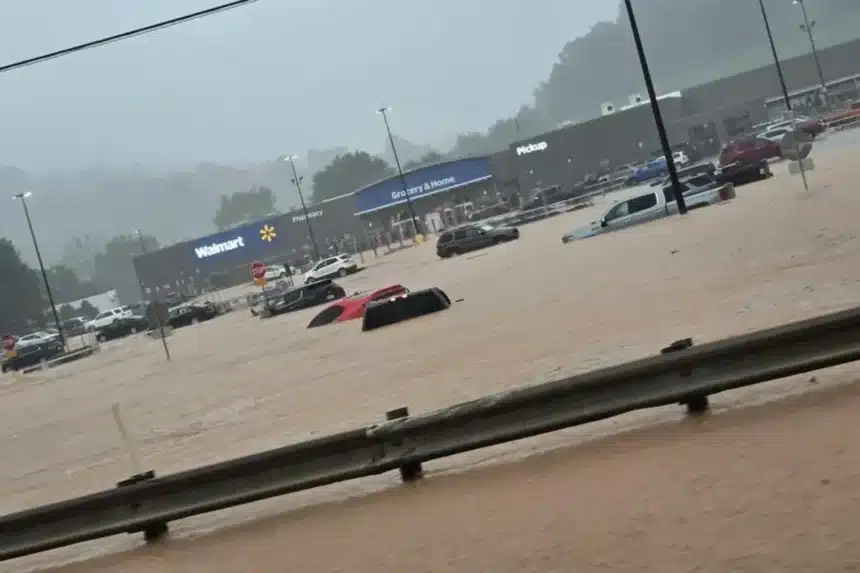
West Virginia is grappling with widespread flash flooding after torrential rains inundated homes and businesses, washed out vital infrastructure, and necessitated numerous water rescues. In response to the escalating crisis, Governor Patrick Morrisey declared a state of emergency for all 55 counties and deployed 100 members of the National Guard to the most severely affected northern regions of the state. An additional 200 National Guard personnel were anticipated to arrive by Wednesday morning to bolster relief efforts.
Torrential Rains Trigger Widespread Flooding
The severe weather event, characterized by intense rainfall, has left a significant mark across West Virginia. Forecasters reported that some areas received as much as 7 inches (18 centimeters) of rain, overwhelming drainage systems and leading to rapid inundation. The National Weather Service issued urgent warnings, advising residents in affected communities to seek higher ground immediately due to life-threatening conditions. While no fatalities were immediately reported, the scale of the flooding has caused substantial damage and disruption.
National Guard Mobilization and State of Emergency
Governor Morrisey emphasized the commitment of state and local agencies to remain engaged in supporting affected communities for an extended period. The deployment of the National Guard is a critical component of the immediate response, providing essential manpower for rescue operations and logistical support. The declaration of a state of emergency enables the state to mobilize resources more effectively and expedite aid to those in need. Governor Morrisey urged residents to prioritize safety by staying home, as travel conditions remained extremely hazardous, with significant portions of major roadways, including Interstate 79 and U.S. Route 48, rendered impassable.
Impact on Communities and Infrastructure
The flooding has had a devastating impact on both residential and commercial properties. Social media platforms were inundated with images and videos depicting submerged vehicles in parking lots and water surging into buildings, such as a Walmart in Weston. Emergency services reported conducting dozens of rescues of individuals trapped in flooded vehicles. However, access to some areas was completely cut off by the rising waters, complicating rescue efforts. Lewis and Upshur counties, with a combined population of approximately 40,000, experienced particularly intense flooding, with first responders working through the night to assist residents. Lewis County Commissioner Agnes Quinn Queen described the devastation as extensive.
Personal Accounts and Resilience
Amidst the chaos, stories of resilience and adaptation emerged. Bob Pfister, a guest at a hotel in Weston, shared his experience on Facebook, noting that while the first floor was submerged, the power remained on, allowing many guests to stay put. He acknowledged that a power outage would significantly alter the situation, making evacuation to shelters or rescue by boat a more pressing necessity. This sentiment highlights the precarious balance faced by those affected, weighing immediate safety against the challenges of displacement.
Broader Weather Patterns and Related Events
The heavy rains in West Virginia were part of a larger weather system affecting a wide geographical area. Similar storm activity, including reports of tornadoes, stretched from the Cincinnati area across New Jersey and into the New York City suburbs. In West Virginia, damage consistent with a possible tornado was reported in the vicinity of St. Marys and Belmont. The saturated ground, a result of over 2 inches (5 centimeters) of rain earlier in the week, exacerbated the impact of Tuesday’s storms.
Historical Context and Flood Preparedness
This recent flooding event brings to mind a devastating flood that occurred a decade ago, which claimed 23 lives in similar areas of the state. Further underscoring the severity of the current situation, data from the U.S. Geological Survey indicated that Sand Run, a creek tributary near Buckhannon, reached a record high level. This new benchmark surpassed the previous record set during a November 1985 flood event, which tragically resulted in 47 statewide fatalities. These historical parallels emphasize the persistent vulnerability of the region to extreme rainfall and the critical importance of ongoing flood preparedness and mitigation efforts.
Conclusion: Ongoing Recovery and Future Outlook
As flood warnings began to expire by Wednesday morning, the focus shifted towards recovery and assessment of the full extent of the damage. The coordinated response involving the National Guard, state agencies, and local first responders is crucial in navigating the immediate aftermath. The recurring nature of severe flooding in West Virginia underscores the need for continued investment in infrastructure resilience and community preparedness strategies to mitigate the impact of future extreme weather events.