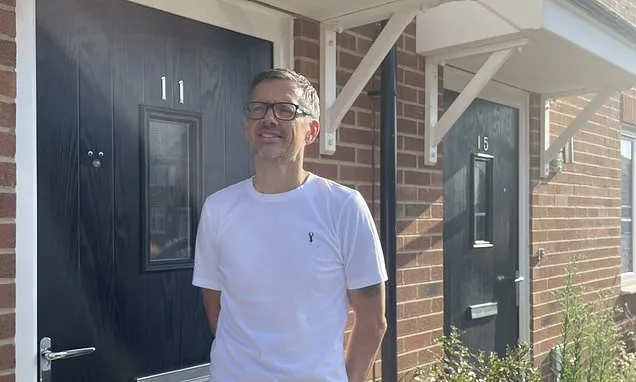
A family in Reading is facing a financial shortfall of over £6,000 due to significant delays by HM Land Registry (HMLR) in registering their new build home. Anthony Hockham, 47, and his wife purchased their four-bedroom property for £485,000 in March 2024, but the property’s title registration remained incomplete for more than two years. This prolonged delay rendered their home unmortgageable, preventing them from remortgaging and leaving them financially exposed.
Extended Delays in Property Registration
The Hockham family’s ordeal highlights a growing issue with HM Land Registry processing times, which have reportedly increased substantially since the pandemic. While typical delays of six to 12 months for ownership transfers are not uncommon, their case stretched to over 26 months. The problem came to light when their initial two-year fixed-rate mortgage neared its end earlier this year.
In February, as the couple sought to remortgage, their conveyancers discovered that the title registration was still incomplete. Without a fully registered title, lenders are unwilling to provide a mortgage, as they require a clear, undisputed legal charge over the property before releasing funds. This fundamental requirement left the Hockhams in a difficult position, unable to secure a new mortgage deal.
Root Causes of the Registration Hold-up
HM Land Registry explained that issues with new build property registrations are frequent. In the Hockhams’ specific case, the delay was attributed to a complex series of problems stemming from the original application submitted by the property developer. This involved HMLR needing to seek clarifications over several months due to errors or omissions in the developer’s submission.
The process for new builds often involves developers acquiring land, registering it, constructing multiple properties, and then undertaking a ‘transfer of parts’ to register each individual unit. The developer’s initial registration for the Hockhams’ property was submitted only two months before their own application. This preceding application was itself subject to delays from both the developer’s legal team and HMLR.
HMLR stated that once they received the Hockhams’ application, it was processed as quickly as possible, though it was still impacted by the existing issues related to the developer’s prior submission. A spokesperson for HMLR expressed regret for Mr. Hockham’s difficulties and confirmed they were working to resolve the matter promptly. They also noted that delays like these could be costing the property industry up to £19 million annually.
Financial Repercussions of the Delay
The inability to remortgage has forced the Hockhams onto their lender’s Standard Variable Rate (SVR) of 5.5 per cent. They report paying £1,202 per month, an increase of £170 compared to the £1,032 they would have been paying under a new mortgage deal.
Compounding their frustration, Anthony had secured a favourable mortgage offer in December at a rate of 3.49 per cent with Santander. However, due to market fluctuations, including geopolitical events impacting interest rates, the best fixed-rate deals available now are closer to 5 per cent. This means that even after the registration is complete, they are likely to face significantly higher borrowing costs.
Anthony Hockham described the situation as incredibly stressful and time-consuming, involving constant communication with solicitors, mortgage brokers, and HMLR. He stated, “Had our new mortgage gone through in April, that extra money each month would have really helped us cope with the rising cost of everything. We were also planning to try and overpay our mortgage. Now we’re just watching rates go up – that’s a real kick in the teeth.”
Claim for Compensation Submitted
The Hockhams have formally lodged a complaint with HMLR and are seeking compensation for the financial losses incurred. Anthony has submitted a claim for £6,105.88, accounting for both current and anticipated future losses. He argues that had HMLR initiated the application process in a timely manner in 2024, the issue would have been resolved without financial penalty.
“Our issue is that the application was lodged in the days after we completed, early March 2024 and HMLR, by their own admission, didn’t start on it until 9 January 2026,” Anthony explained. “Had it been picked up in a timely manner in 2024 there would not have been any issues from our end.”
HMLR has confirmed that Anthony’s application has now been completed and is being handled by their complaints team. They declined to comment on the compensation claim as it is an ongoing process.
Understanding Property Registration Delays
Delays at HM Land Registry can arise from various factors. These include errors or missing information in submitted applications, the need to resolve prior applications affecting the same property, or waiting for necessary actions or information from third parties such as lenders or conveyancers.
According to HMLR, approximately 20 per cent of applications require additional information, which can extend processing times by months depending on the complexity and the responsiveness of all involved parties. This figure increases to around 60 per cent for more complex commercial transactions. Currently, hundreds of thousands of applications may be pending registration due to outstanding information from external sources.
How to Check Property Registration Status
Individuals concerned about their property’s registration status can contact HM Land Registry directly. Official copies of the register, title plan, and related documents can also be purchased through the HMLR website.
The Hockhams’ situation underscores the critical importance of timely property registration and the significant financial and emotional toll that prolonged delays can inflict on homeowners.