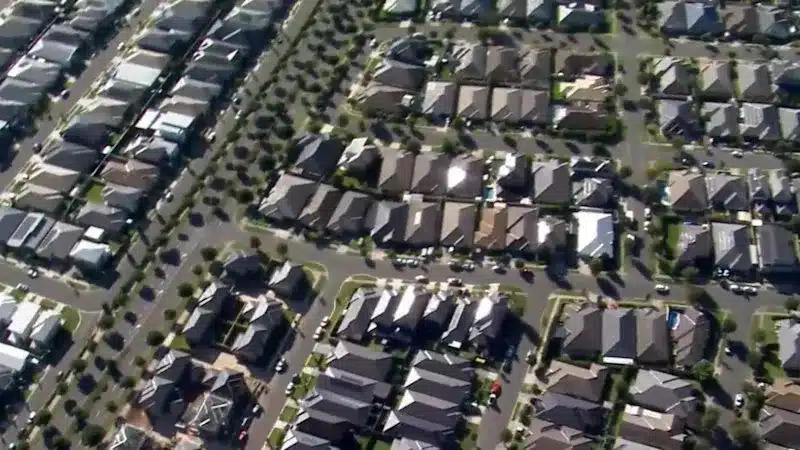
Rental prices across several Australian capital cities have experienced a dramatic surge, with some areas seeing increases of up to 80 percent over the past five years. This significant escalation in housing costs, revealed by data from property analytics firm Cotality, is placing considerable strain on renters and raising concerns about housing affordability nationwide.
Widespread Rental Price Hikes Across Major Cities
The data indicates that the rental market has tightened considerably, leading to substantial rent increases in key urban centers. While specific figures vary by location and property type, the trend of escalating rents is a consistent theme across the country’s major cities. This phenomenon is not confined to a single region but appears to be a widespread issue affecting a significant portion of the Australian rental population.
Factors Contributing to Rising Rents
Several interconnected factors are believed to be driving this sharp rise in rental costs. Economists and property market analysts point to a confluence of supply and demand imbalances, increased construction costs, and a growing population as primary contributors.
- Supply Shortage: A persistent undersupply of rental properties, particularly in desirable urban areas, creates intense competition among prospective tenants. When demand outstrips available supply, landlords are often in a position to increase rents.
- Increased Demand: Population growth, driven by both natural increase and migration, has bolstered the demand for housing. As more people seek rental accommodation, the pressure on existing stock intensifies.
- Construction Costs: Rising material and labor costs in the construction industry can make it more expensive to build new properties. This can slow down the pace of new supply entering the market, further exacerbating the shortage.
- Investor Sentiment: Changes in investor confidence and the cost of borrowing can also influence the rental market. If investment in new rental properties becomes less attractive or more costly, the supply pipeline can be affected.
- Economic Conditions: Broader economic factors, such as inflation and interest rate movements, can also play a role. Higher interest rates, for instance, can increase mortgage costs for property owners, who may then pass these costs onto tenants through higher rents.
Impact on Renters and Housing Affordability
The consequences of these escalating rents are far-reaching, impacting the financial well-being of individuals and families. For many, rent constitutes the largest portion of their monthly expenses, and significant increases can lead to difficult financial choices, including cutting back on other essential spending or relocating to more affordable areas, which may involve longer commutes or reduced access to amenities and employment opportunities.
Housing affordability is a critical issue for governments and communities across Australia. The gap between average incomes and the cost of housing, both rental and ownership, has been widening. This trend makes it increasingly challenging for young people, low-income earners, and families to secure stable and affordable housing. The long-term implications include potential increases in housing stress, homelessness, and social inequality.
Expert Perspectives on the Rental Crisis
Property market analysts have expressed concern over the sustainability of current rental trends. Dr. Sarah Davies, a housing economist, commented, “We are witnessing a structural imbalance in the rental market. The pace of rent increases in some cities is outpacing wage growth significantly, creating a crisis for many households.” She added, “Addressing this requires a multi-faceted approach, including measures to boost housing supply and provide targeted support for vulnerable renters.”
Real estate industry representatives acknowledge the challenges but also highlight the complexities of the market. John Smith, a spokesperson for a national real estate institute, stated, “Landlords are also facing increased costs, including rising interest rates and property maintenance expenses. The current market reflects a complex interplay of economic forces.” He emphasized the need for policies that encourage investment in rental properties while ensuring tenant protections.
Potential Solutions and Future Outlook
Addressing the escalating rental crisis requires a concerted effort from various stakeholders. Potential solutions often discussed include:
- Boosting Housing Supply: Implementing policies that streamline the development of new housing, including affordable housing initiatives and incentives for building rental properties.
- Rental Assistance Programs: Enhancing government rental subsidies and support programs for low-income households and individuals experiencing housing stress.
- Regulatory Measures: Exploring options such as rent caps or stricter regulations on rent increases, though these measures can be contentious and have potential impacts on investment.
- Planning and Zoning Reforms: Revising urban planning regulations to allow for greater housing density and diverse housing types in established areas.
The outlook for the rental market remains a subject of ongoing analysis. While some predict a potential stabilization as interest rate cycles evolve and new supply gradually enters the market, the immediate future suggests continued pressure for many renters. The significant rent increases observed over the last five years underscore the urgency of developing and implementing effective strategies to ensure housing affordability and stability for all Australians.