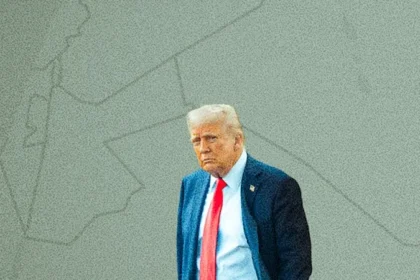
A significant trade war has commenced between the United States and Canada following the abrupt collapse of high-stakes trade negotiations. The breakdown occurred overnight, leaving the future of North American commerce uncertain and potentially impacting millions of jobs and consumer prices on both sides of the border.
Background to the Trade Dispute
For months, officials from both nations have been engaged in intensive discussions aimed at modernizing or replacing the North American Free Trade Agreement (NAFTA). The existing pact, in place for over two decades, has been a cornerstone of economic integration for the U.S., Canada, and Mexico. However, the Trump administration has been a vocal critic, arguing that NAFTA led to job losses in the United States and created an unfavorable trade balance.
Key sticking points in the negotiations reportedly included issues surrounding dairy market access for U.S. farmers, dispute resolution mechanisms, and rules of origin for automobiles. Canada has sought to protect its supply management system for dairy, which limits imports and supports domestic producers. The U.S., conversely, has pushed for greater access to the Canadian dairy market, viewing it as a critical component of a new deal.
The talks had been characterized by periods of intense optimism, followed by significant setbacks. Both sides had publicly expressed a desire to reach an agreement, but the fundamental differences proved difficult to bridge. The final breakdown signals a dramatic escalation, moving beyond rhetoric into tangible economic consequences.
Immediate Consequences of the Trade War
With the collapse of talks, the immediate impact is the imposition of new tariffs. The United States has announced it will implement tariffs on a range of Canadian goods, and Canada has vowed to retaliate with its own set of tariffs on American products. These measures are designed to exert economic pressure on the opposing nation, encouraging a return to the negotiating table under more favorable terms.
The specific goods targeted by these tariffs will likely affect various sectors:
- Automotive Industry: Given the integrated nature of auto manufacturing across North America, tariffs on car parts and finished vehicles could significantly increase costs for manufacturers and consumers alike.
- Agriculture: Both U.S. and Canadian agricultural sectors are vulnerable. Tariffs on dairy, grains, and other products could disrupt established supply chains and reduce profitability for farmers.
- Manufacturing: Beyond autos, tariffs on steel, aluminum, lumber, and other manufactured goods could raise production costs for businesses in both countries.
- Consumer Goods: Ultimately, these tariffs often translate into higher prices for consumers, reducing purchasing power and potentially dampening economic growth.
Economists are closely watching the situation, with many warning of potential negative repercussions for both economies. The uncertainty generated by a trade war can also deter investment and slow down business expansion.
Canada’s Stance and Retaliation
Canadian officials have expressed disappointment but also resolve following the breakdown. Prime Minister Justin Trudeau and his trade representatives have maintained that Canada will defend its national interests. The retaliatory tariffs announced by Canada are seen as a direct response to U.S. actions, aiming to impose reciprocal costs on American exporters.
Canada’s strategy appears to be one of measured retaliation, targeting specific U.S. industries that are politically sensitive or economically significant. This approach seeks to maximize pressure on the U.S. administration while minimizing damage to its own economy, though achieving this balance is inherently challenging.
The United States’ Objectives
The U.S. administration’s stated goal in renegotiating NAFTA, or pursuing this trade war, is to create a more “fair” trade environment. President Donald Trump has repeatedly argued that the U.S. has been taken advantage of in international trade deals, leading to a large trade deficit with Canada and Mexico. The imposition of tariffs is seen as a tool to force concessions and achieve what the administration views as a better deal for American workers and businesses.
Specific U.S. demands, particularly regarding dairy and automotive rules of origin, have been central to the dispute. The administration believes that these changes are necessary to rebalance trade flows and encourage more manufacturing to return to the United States.
Potential Long-Term Impacts
The commencement of a trade war between two of the world’s closest trading partners carries significant long-term implications. Beyond the immediate economic fallout, there are concerns about the erosion of trust and the potential for a lasting shift in trade relationships.
- Supply Chain Restructuring: Businesses may be forced to rethink and restructure their supply chains to mitigate the impact of tariffs, potentially leading to less efficient or more costly operations.
- Investment Climate: Persistent trade tensions can create an unfavorable investment climate, discouraging both domestic and foreign direct investment.
- Geopolitical Realignment: A prolonged trade dispute could weaken the economic ties that have historically fostered strong political alliances between the U.S. and Canada.
- Global Trade System: The breakdown of talks and the ensuing trade war could also have ripple effects on the broader global trading system, potentially encouraging protectionist tendencies elsewhere.
Looking Ahead
The path forward remains highly uncertain. While the immediate step is the implementation of tariffs, the door to negotiation is unlikely to be permanently closed. Both governments face considerable pressure from their respective business communities and the public to resolve the dispute.
However, the deep-seated nature of the disagreements suggests that a swift resolution may be unlikely. The coming weeks and months will be critical in determining whether diplomacy can prevail over economic conflict, or if this trade war will fundamentally alter the economic landscape of North America.