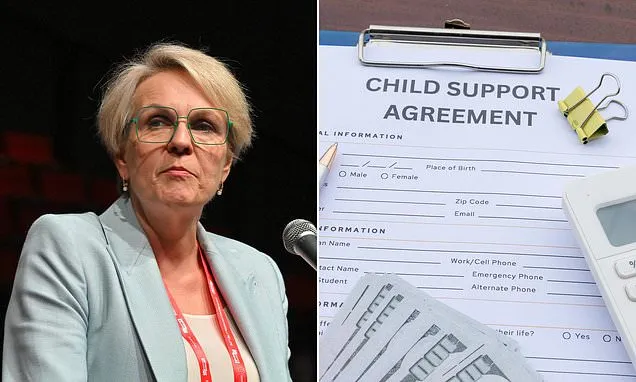
Australian fathers who have children overseas may soon be legally obligated to pay child support, as the government introduces sweeping reforms to the nation’s child support system. Legislation set to be presented to Parliament aims to close loopholes that allow parents to evade financial responsibilities, particularly those living abroad or attempting to avoid payments through various means.
Overhauling the Child Support System
Social Services Minister Tanya Plibersek announced that the proposed changes represent one of the most significant overhauls of the child support framework in decades. The reforms are designed to address a substantial amount of unpaid child support, estimated to be nearly $2 billion, and to enhance protections for individuals experiencing or at risk of family and domestic violence. A key focus is preventing the child support system from being exploited as a tool for harassment, control, or to deny children the financial support they are entitled to.
Under the new legislation, parents residing outside of Australia will be able to apply directly to Services Australia for child support from an Australian-based parent. Once an application is approved, the agency will manage the assessment, collection, and transfer of payments. This measure is intended to ensure that parents living abroad do not escape their financial obligations towards their children in Australia.
Addressing International Parental Responsibility
The reforms come in response to concerns, highlighted by investigations such as one by ABC’s Four Corners, regarding children born overseas to foreign fathers, including Australians. These reports have pointed to situations where fathers have had little to no involvement in their children’s lives after leaving the child’s country of residence. Initiatives using DNA tracing and public records have been employed to identify and locate potential fathers years after their departure, suggesting a growing effort to establish paternity and financial accountability across borders.
The new legislation specifically targets individuals who attempt to avoid their child support duties by not filing tax returns, underreporting their income, or outright refusing to make payments. Services Australia will also be granted enhanced authority to withhold sensitive personal and employment information from former partners when there are documented safety concerns, thereby reducing the risk of the system being used for abusive purposes.
Strengthening Protections and Enforcement
Finance Minister Katy Gallagher emphasized that the reforms prioritize the needs and safety of families. The legislation aims to redesign government services to better serve the individuals who rely on them. A significant procedural change will involve more child support payments being collected directly from employers through wage deductions. This approach is expected to be more reliable than private arrangements, which have often proven difficult to enforce.
For single parents, recovering unpaid child support debts is expected to become more manageable starting in July 2027. Furthermore, parents who deliberately evade payments, for instance, by not lodging tax returns, will face increased scrutiny and potentially stricter penalties. These measures are part of a broader $186 million package allocated in the federal budget to improve the child support system.
Combating Systemic Abuse
Minister Plibersek stated that too many parents have exploited existing loopholes, leaving families in precarious financial situations. She described the abuse of the child support system as a subtle yet damaging form of family and domestic violence. While acknowledging that the majority of parents meet their obligations, she stressed that deliberate actions to avoid payments, falsify income, or misrepresent care arrangements have severe and immediate consequences for children and custodial parents.
Previously, some single parents faced difficult choices, such as deciding between receiving family tax benefits or severing ties with an abusive ex-partner. Others avoided pursuing child support altogether due to fears of escalating harassment. Plibersek asserted that the government would no longer tolerate such systemic failures, ensuring that government systems do not facilitate ongoing abuse.
Conclusion
The proposed legislative changes signal a firm stance against parental irresponsibility and the misuse of the child support system. By extending enforcement capabilities to international contexts and bolstering protections against abuse, the government aims to create a more equitable and secure environment for children and custodial parents, ensuring that financial obligations are met regardless of a parent’s location or attempts to circumvent the system.