Berlin Faces Potato Surplus Amid Record Harvest
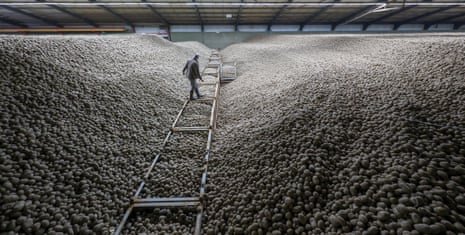
Official statistics reveal that Germans consume an average of 63 kilograms of potatoes per person each year. This year, an unprecedented harvest has created a surplus dubbed the ‘Kartoffel-Flut,’ marking the highest yield in 25 years. To address the overflow, farmers have launched a citywide distribution effort in Berlin, inviting residents to collect free potatoes at designated hotspots.
Community organizations, including soup kitchens, homeless shelters, kindergartens, schools, churches, and non-profits, have eagerly participated. Even Berlin Zoo has joined the effort, using tons of the surplus to feed its animals and prevent waste through landfill or biogas conversion. Additionally, two truckloads of potatoes have been dispatched to Ukraine to support those in need.
Residents Embrace the Free Distribution
City dwellers, many grappling with rising living costs, have flocked to the 174 impromptu distribution sites. They arrive with sacks, buckets, and even handcarts to gather the potatoes. At a recent event in Kaulsdorf on Berlin’s eastern outskirts, Astrid Marz, a local teacher, filled her old rucksack with over 150 potatoes. “I stopped counting at 150. I think I’ve got enough to keep me and my neighbours going until the end of the year,” she shared.
The ‘4000 Tonnes’ initiative began when a farmer near Leipzig offered surplus stock after a deal fell through. Local partners, including the eco-friendly search engine Ecosia, coordinated the effort to redistribute the potatoes across Berlin. Marz initially doubted the news upon seeing social media posts. “At first I thought it was some AI-generated fake news when I saw it on social media,” she said. “There were pictures of huge mountains of ‘earth apples,’ with the instruction to come and get them for free!” Berliners often use the affectionate term ‘Erdapfel’ for potatoes.
Lifting Spirits in Harsh Weather
Amid arctic cold snaps that have disrupted travel and iced over sidewalks, the distributions have fostered a festive vibe. Ronald, who collected potatoes for his family at Tempelhofer Feld, described the scene: “There was a really party-like atmosphere,” with people assisting each other with heavy loads and exchanging cooking ideas.
Reviving Interest in the Humble Potato
The surplus has sparked renewed appreciation for potatoes, including historical tales of their rise in Germany. In the 18th century, Prussia’s Frederick II issued the ‘Kartoffelbefehl,’ mandating cultivation and establishing the tuber as a dietary staple despite early doubts about its texture.
Online platforms buzz with recipe ideas as recipients experiment with their hauls. Nutrition experts emphasize the potato’s benefits, including high levels of vitamin C and potassium, countering trends that once dismissed it due to carb concerns. Renowned Berlin chef Marco Müller from Rutz restaurant advocates elevating potatoes to fine-dining status. He employs techniques like roasting peels for a rich broth and crafting a premium potato vinaigrette.
Popular recipes include former Chancellor Angela Merkel’s potato soup, shared during her 2017 election campaign. For authenticity, she advised: “I always pound the potatoes myself with a potato masher, rather than using a food mixer,” to achieve the ideal lumpy consistency.
Challenges and Broader Implications
Not all feedback is positive. Regional farmers argue that the giveaway has further flooded Berlin’s market, devaluing their crops. Environmental advocates point to systemic issues in the food industry, comparing the potato piles to the 1970s ‘butter mountains’ and ‘milk lakes’ created by overproduction incentives from the European Economic Community.
While potatoes dominate this year’s surplus, hops overflowed last year, and milk surpluses are forecast for next. Organizers anticipate final distributions soon, with about 3,200 tonnes—equivalent to 3,200,000 kilograms or 7,056,000 pounds—still available. Interested individuals should monitor the initiative’s website for upcoming locations.