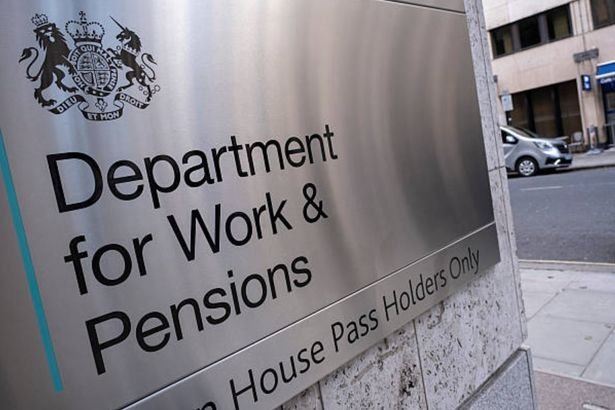
The Department for Work and Pensions (DWP) is implementing significant reforms to Personal Independence Payment (PIP) awards, extending durations to a minimum of three years and up to five years for eligible claimants aged 25 and older. These changes, aimed at streamlining the welfare system, take effect for new claims starting in April 2026.
Longer PIP Award Periods
Under the new guidelines, the typical review interval for PIP awards, which can currently last as little as nine months, will extend substantially. Most claimants will receive awards lasting at least three years on initial approval. If eligibility persists, subsequent reviews could grant up to five years between reassessments.
This adjustment targets reducing the backlog in Work Capability Assessments (WCA) by allowing health professionals to focus on more in-person evaluations and pending reviews. Officials note that many claimants experience no changes during their current short review cycles, making longer periods more efficient.
Increase in Face-to-Face Assessments
The DWP also plans to boost the share of face-to-face assessments for both PIP and WCA. For PIP, the proportion rises from 6 percent in 2024—equating to about 57,000 assessments—to 30 percent. Similarly, WCA face-to-face evaluations will increase from 13 percent (around 74,000) to 30 percent.
These measures support the government’s efforts to overhaul the inherited welfare framework. A DWP spokesperson emphasized, “Reassessments play an important role in taking account of how changes in health conditions and disabilities affect people over time.”
Government’s Welfare Reform Goals
Minister for Employment Pat McFadden highlighted the initiative’s broader objectives, stating, “We’re committed to reforming the welfare system we inherited, which for too long has written off millions as too sick to work.” He further explained, “That is why we are ramping up the number of assessments we do face-to-face and taking action to tackle the inherited backlog of people waiting for a Work Capability Assessment.”
The reforms are projected to generate savings of £1.9 billion, fostering a more sustainable welfare state that aids those in need, encourages employment, and ensures taxpayer fairness.