[ad_1]
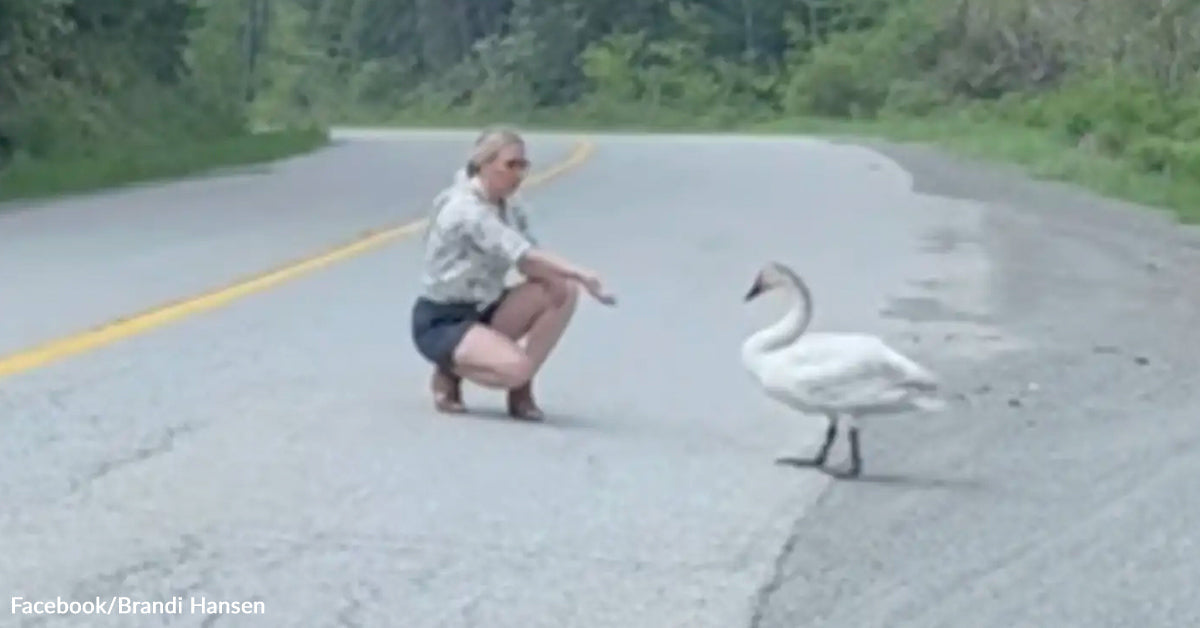
On a quiet morning on Apex Mountain in Canada, a white form on the street turned an bizarre drive right into a story of compassion and fast pondering. Pilot and wildlife fanatic Brandi Hansen was steering her Jeep by means of the evergreen forest when she seen a immobile determine forward. As she drew nearer, the define sharpened into a big chicken. It was a trumpeter swan, a “magnificent” chicken extra typically related to tranquil wetlands than mountain roads. That sudden sighting turned a strong instance of how bizarre individuals could make a rare distinction in wildlife rescue.
Trumpeter swans are the biggest native waterfowl species in North America, and so they usually hunt down low elevation wetland habitats. Seeing one alone on an alpine street was instantly alarming. In line with the account, Hansen’s background in search and rescue and her ardour for wildlife meant she understood without delay that one thing was improper. The chicken was not merely misplaced. He was additionally injured and behaving in a method that signaled misery quite than pure wariness.

As Hansen approached, she noticed blood on the swan’s feathers. That element made the scenario pressing. Much more regarding, the swan took a number of steps towards her. Individuals accustomed to wild swans know they typically maintain their distance or act defensively, particularly after they really feel threatened. This chicken’s calm acceptance of her presence steered he was in shock and in want of assist. Hansen later defined that his quiet demeanor appeared much less like belief and extra like desperation, an indication that he was too exhausted or harm to react as a wholesome wild animal usually would.
Hansen didn’t face the scenario alone. Her daughter Sienna was along with her, and collectively they put fundamental rescue abilities into motion. They approached the trumpeter swan slowly and punctiliously, protecting low to keep away from startling him. They used a wool blanket to softly cowl the chicken. This was a considerate step within the rescue, since masking an animal’s eyes can cut back stress and maintain it calmer throughout dealing with. By wrapping him and shielding his imaginative and prescient, they gave the swan a greater probability of staying nonetheless and secure lengthy sufficient to be transported.

Getting an injured wild chicken right into a automobile will be difficult, even for knowledgeable handlers. Swans are highly effective, and their wings and ft can inflict critical damage in the event that they panic. The report makes it clear that Hansen’s coaching and calm method have been essential. As soon as the chicken was wrapped and his eyes lined, she and Sienna have been in a position to transfer him into their automobile. At that time, Hansen confronted a selection. She was scheduled to captain a airplane out of the native airport, however any delay in remedy may worsen the swan’s situation. She selected to drive straight to the closest facility geared up to assist.
For about 40 minutes, Hansen centered on getting the swan to skilled care at SPCA Penticton Veterinary Hospital. This choice to prioritize specialised assist displays a key precept in wildlife rescue: even effectively intentioned individuals shouldn’t try advanced medical care on their very own. As an alternative, they need to stabilize the animal if attainable and transport it to skilled specialists. By going on to the veterinary hospital quite than making an attempt to improvise, she elevated the chicken’s possibilities of survival.
On the hospital, veterinary professionals, together with Dr. Mike Tigchelaar, examined the trumpeter swan and commenced remedy. They addressed his seen wounds and labored to handle his ache. Whereas the precise nature of the accidents was not detailed, the emphasis on wound care and luxury highlights how vital rapid veterinary consideration is for injured wildlife. Wild birds typically masks indicators of ache or sickness till their situation is extreme, so early intervention will be the distinction between restoration and a decline that can not be reversed.
As soon as the swan had been stabilized, he was transferred to the Inside Wildlife Rehabilitation Society. Services like this specialise in long run restoration and rehabilitation for wild animals, making ready them to return to their pure environments each time attainable. On this case, the swan responded shortly to care. Inside a number of days, he was making important progress. Ache management, relaxation, and species acceptable care possible all contributed to his enchancment.
Probably the most uplifting components of this story is its conclusion. After his time in rehabilitation, the swan was deemed prepared to return to the wild. Caregivers launched him right into a protected wetland, a setting much more suited to his wants and instincts than the mountain street the place he was first discovered. For a chicken that depends on water wealthy habitats to feed, relaxation, and socialize, entry to a secure wetland is crucial. Watching a wild animal return to an acceptable habitat after a harrowing ordeal is usually the objective that drives rehabilitators and rescuers alike.
Hansen expressed how significant it felt to make use of her abilities and coaching to assist this specific chicken. Trumpeter swans are described as a rarity in that area, which makes the profitable rescue and launch much more important. When a much less frequent species is concerned, every particular person’s survival contributes to the well being of the broader inhabitants. On this context, one particular person pulling over on a quiet street and selecting to behave turns into a part of a a lot bigger conservation story.
This account of a lady recognizing a powerful chicken on a mountain street and realizing he wanted assist illustrates a number of broader themes about wildlife rescue. It reveals the worth of noticing when an animal seems misplaced, recognizing indicators of shock and damage, and in search of skilled help immediately. It additionally highlights how skilled organizations like SPCA Penticton Veterinary Hospital and Inside Wildlife Rehabilitation Society play a necessary position in guaranteeing that animals not solely survive, however return to the wild with one of the best probability of thriving. Tales like this one remind readers that attentive statement mixed with considerate motion can bridge the hole between disaster and restoration for susceptible animals.
[ad_2]