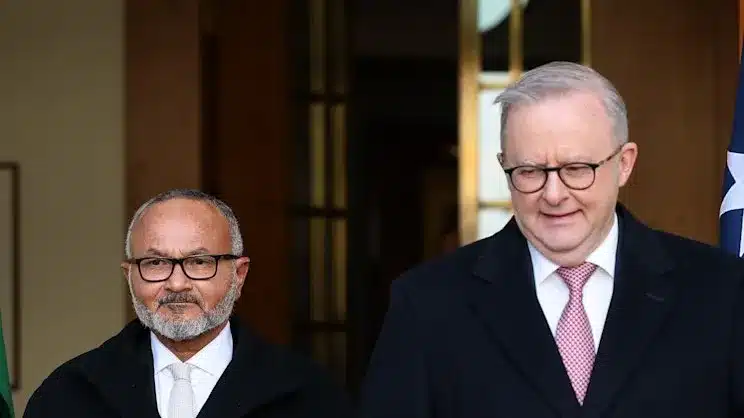
Australian Prime Minister Anthony Albanese is undertaking a significant three-day diplomatic mission in Fiji and the Solomon Islands, commencing with the anticipated signing of a major new security pact with Fiji. This initiative marks a key effort to strengthen regional partnerships and counter China’s growing influence in the strategically important Pacific.
New Security Pact with Fiji
Prime Minister Albanese arrived in Suva on Sunday evening to formalize the “Vuvale Union” security agreement with Fijian Prime Minister Sitiveni Rabuka. Fiji, one of the most populous nations in the Pacific, plays a crucial role in regional dynamics. The “Vuvale Union” is expected to enhance security cooperation and deepen the bilateral relationship between the two nations, signaling a renewed commitment to shared regional interests.
Engagement with the Solomon Islands
The diplomatic tour continues on Tuesday with a visit to the Solomon Islands. Here, Prime Minister Albanese will focus on advancing negotiations for a new, comprehensive treaty with the recently elected Prime Minister Matthew Wale. Prime Minister Wale, who also serves as the chair of the Pacific Islands Forum, has previously indicated a desire to review the Solomon Islands’ security agreement with China and has expressed an intention to “reset” relations with Australia following a period of strained interactions.
Broader Regional Strategy
Australia’s engagement extends beyond these bilateral meetings. On Wednesday, Prime Minister Albanese will host leaders from Papua New Guinea and Tonga in Brisbane. This meeting, coinciding with the State of Origin rugby league decider, will include bilateral discussions on critical issues such as regional security, trade, and economic development. “This important series of meetings in Brisbane comes at a time where we are working closely with our Pacific family on the issues that matter to our region,” the Prime Minister stated, emphasizing the collaborative approach to addressing regional challenges.
Context of Regional Competition
These diplomatic efforts occur against a backdrop of heightened competition in the Pacific. Australian officials have characterized the regional landscape as a “diplomatic knife fight” with China, underscoring the strategic importance of maintaining strong relationships with Pacific Island nations. The “Vuvale Union” with Fiji adds to a series of security and cooperation agreements Australia has established with Vanuatu, Tuvalu, Nauru, and Papua New Guinea since May 2022.
These agreements often aim to provide Pacific nations with alternatives to Chinese investment and security partnerships. Australia has offered financial support and expanded visa access to its citizens in exchange for limiting the ability of these nations to partner with China on critical infrastructure projects, including ports and airports. The recent “Nakamal Agreement” with Vanuatu, signed after a ten-month delay, notably includes provisions that prevent China from establishing a military base in the country, though the wording was adjusted to avoid hindering Vanuatu’s economic ties with Beijing.
Pacific Policing and Global Forums
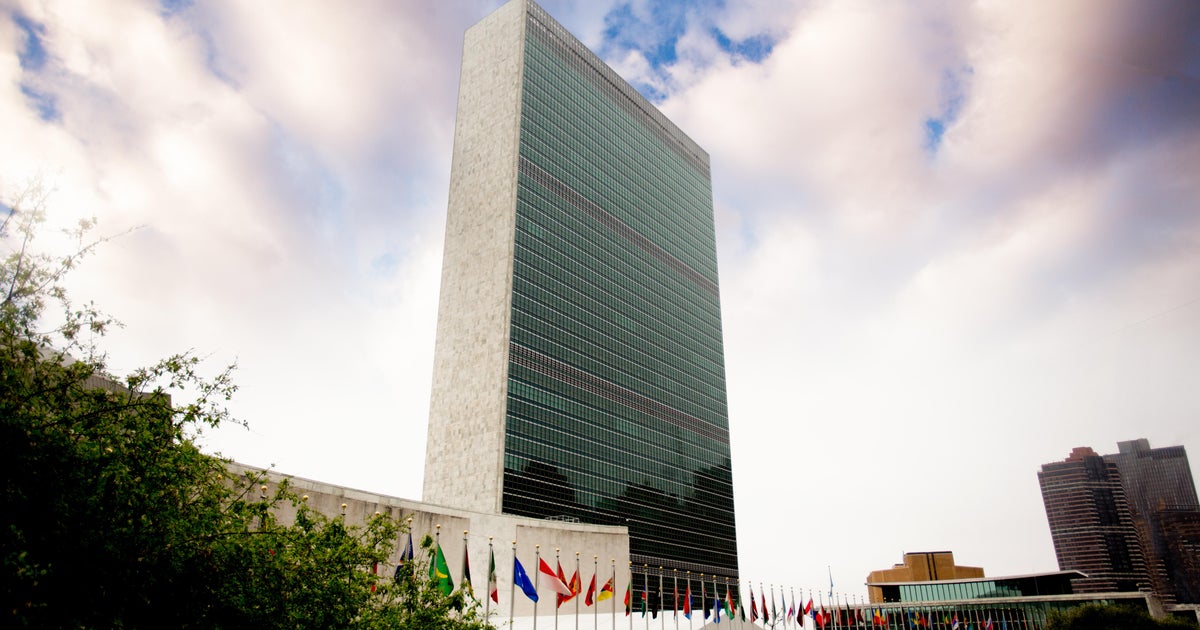
In parallel with these diplomatic initiatives, Australian Federal Police Commissioner Krissy Barrett is also actively engaged in promoting Pacific security interests on the international stage. During a visit to the United Nations this week, Commissioner Barrett will participate in forums alongside police chiefs from three Pacific Island nations. Their discussions will focus on a proposal for a new regional policing bloc, tentatively named PACPOL. This initiative aims to empower Pacific police chiefs to collectively set priorities and present a unified voice on security matters at global and regional forums.
“One of my priorities is to champion the views and role of Pacific Island Police Chiefs, who want a greater say at global forums about security and safety matters that concern their region,” Commissioner Barrett explained. A definitive decision on the formation of PACPOL is anticipated in October when the Pacific chiefs of police convene.
Upcoming India-Australia Discussions
The week’s diplomatic activities will conclude with a visit from Indian Prime Minister Narendra Modi to Australia. This high-level meeting is expected to focus on enhancing defense ties and exploring opportunities for increased uranium imports from Australia. This engagement between India and Australia is likely to be closely observed by China, given the evolving geopolitical dynamics in the Indo-Pacific region.
Conclusion
Prime Minister Albanese’s intensive diplomatic schedule highlights Australia’s commitment to strengthening its relationships within the Pacific region. By forging new security pacts, fostering dialogue, and supporting regional initiatives, Australia aims to enhance stability and address shared challenges in an increasingly complex geopolitical environment.