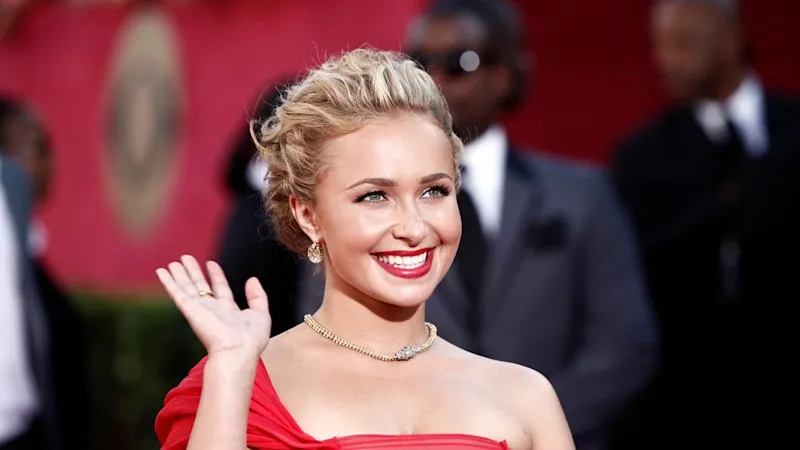
The dazzling world of early fame often comes with a steep price, a reality underscored by the tragic passing of actress Hayden Panettiere. At just 36 years old, Panettiere was found unresponsive and later pronounced dead at the scene, a stark reminder of the immense pressures faced by those thrust into the spotlight at a young age. Her struggles with addiction, anxiety, and postpartum depression, detailed in her memoir, shed light on the profound personal toll that celebrity can exact.
Panettiere’s candid reflections, including a May interview with podcaster Jay Shetty, revealed the deep emotional impact of her former partner moving their young daughter to Europe. “I was struggling with mental health and anxiety and the postpartum and having to act my way through it and just feeling like I I completely lost myself,” she shared. She clarified that she had actively sought treatment, countering any misconception that she was forced into it. “It became this horrible cycle for years of battling depression, alcoholism and substance abuse and me just trying to find my way out of this darkness,” Panettiere admitted. The separation from her daughter was particularly devastating, evoking a fierce protective instinct: “I did not have a good reaction to it. I went like mother lion. I would have burnt the world down for my child, so that was incredibly difficult.”
In a particularly harsh turn, Panettiere’s openness about her postpartum depression led to the termination of a decade-long relationship with cosmetics company Neutrogena. According to Panettiere, the company cited a morals clause that they believed she had violated by speaking about her experience with PPD.
The High-Risk Landscape of Child Stardom
Panettiere, known for her roles in the Scream franchise, Heroes, and Nashville, joins a long list of young stars whose careers began in childhood, often leading to significant personal challenges. Names like Britney Spears, Justin Bieber, Miley Cyrus, Lindsay Lohan, Ariana Grande, Corey Haim, Corey Feldman, Jonathan Brandis, Amanda Bynes, River Phoenix, Macaulay Culkin, Drew Barrymore, Gary Coleman, Michael Jackson, Anissa Jones, Bobby Driscoll, and Judy Garland all experienced the intense scrutiny and pressures of early fame.
While not every child star succumbs to the pitfalls of addiction or tragedy, the machinery of fame often leaves them vulnerable. Without robust support systems, young performers can be susceptible to exploitation, anxiety, and immense risk. For every success story like Taylor Swift, who has navigated teen stardom into a stable adult career, there are cautionary tales like Jonathan Brandis, River Phoenix, or Corey Haim, whose lives were tragically cut short by the pressures associated with their fame.
Modern Pressures and Enduring Vulnerabilities
The contemporary pressures of fame are amplified by social media, creating a relentless cycle where young individuals are constantly in the public eye. This digital environment often means they are judged and defined by the world before they have fully discovered themselves. The constant demand for content and engagement leaves little room for personal growth or respite.
However, the issues predate social media. Long before the era of blogs and constant online commentary, child stars were at risk of various forms of abuse and exploitation, whether financial or otherwise. A significant factor for many is becoming the primary breadwinner for their families, agents, managers, and entourages, creating a complex web of financial dependency.
Furthermore, child actors and singers are often isolated from traditional schooling and peer relationships during their formative years. This lack of normal childhood experiences can hinder social development and create a sense of detachment from the outside world. Panettiere’s memoir highlighted her struggles with an abusive relationship and how the absence of her daughter contributed to her substance abuse, noting that alcohol offered a temporary escape from her overwhelming challenges.
The Distortion of Reality and the Cost of Performance
Fame itself can create a distorted version of reality. The constant barrage of images—billboards, posters, magazine covers—and the intricate contracts that govern their lives can obscure the real world. Many fans may never have truly met the individual behind the persona; they interacted with an avatar—always smiling, perpetually enthusiastic, and seemingly always available.
The metaphor of the “tears of a clown” resonates here; the constant need to perform and maintain a public image comes at a significant personal cost. The pressure to be perpetually “on” can be emotionally and psychologically draining.
Finding a Path Forward Amidst Tragedy
Addressing the systemic issues that contribute to the struggles of young stars is a monumental task, akin to overhauling major societal structures. Yet, not all stories end in tragedy. Many, like Drew Barrymore, Justin Bieber, and Miley Cyrus, have successfully built enduring careers despite their early exposure to fame.
For the legions of fans who felt a personal connection to Hayden Panettiere, her death is a profound loss. The grief experienced by young fans, in particular, can be intense, especially when a seemingly vibrant individual is lost at such a young age. While the public processes shock and denial, for those closest to Panettiere and those who understood her inner battles, her struggles may have been tragically foreseeable.
As Australian singer-songwriter Sia remarked, the true horrors and overwhelming downsides of fame are often not honestly discussed, suggesting that for some, the perceived payoff is simply not worth the immense cost.