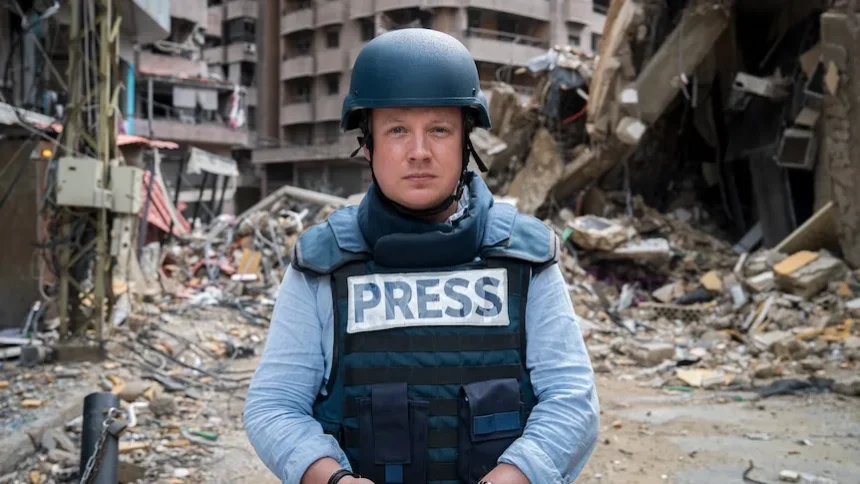
As the conflict in the Middle East intensifies, understanding the latest developments and their far-reaching implications is crucial. This briefing aims to provide a clear, concise overview of the current situation, focusing on key events, expert analyses, and the potential impact on Australia and the wider global community.
Escalating Tensions and Key Events
The ongoing conflict in the Middle East has entered a critical phase, with significant military and diplomatic activity shaping the geopolitical landscape. Recent events have heightened international concern, prompting urgent calls for de-escalation and humanitarian aid. The complexities of the situation require careful monitoring of military movements, political statements, and regional responses.
Regional Dynamics and International Involvement
The conflict is not confined to a single battleground but involves a complex web of regional actors and international powers. Understanding the motivations and strategies of each party is essential to grasping the full scope of the crisis. Key players include:
- Regional Powers: Nations within the Middle East are deeply involved, with their alliances and rivalries significantly influencing the conflict’s trajectory.
- Global Superpowers: Major world powers are observing the situation closely, with their diplomatic and, in some cases, military postures adding another layer of complexity.
- International Organizations: Bodies such as the United Nations are working to mediate, provide humanitarian assistance, and prevent further escalation.
Expert Analysis: Prospects for Resolution
The duration and ultimate outcome of the conflict remain subjects of intense debate among experts. While some analyses suggest a protracted struggle, others point to potential diplomatic breakthroughs. Factors influencing the conflict’s longevity include the resilience of combatants, the effectiveness of international mediation efforts, and the broader economic and political stability of the region.
The Economic and Humanitarian Toll
Beyond the immediate military concerns, the conflict is exacting a severe economic and humanitarian toll. Displacement of populations, disruption of trade routes, and damage to critical infrastructure are significant consequences. International efforts are underway to address the growing humanitarian crisis, providing essential supplies and support to affected populations.
Impact on Australia
The events unfolding in the Middle East have tangible implications for Australia, despite its geographical distance. These impacts can manifest in several ways:
- Economic Effects: Fluctuations in global energy prices, supply chain disruptions, and impacts on international trade can affect the Australian economy.
- Security Concerns: While direct military threats are unlikely, the rise of global instability can influence international security cooperation and intelligence sharing.
- Diaspora Communities: Australians with connections to the affected regions may experience personal distress and require consular support.
- Foreign Policy: Australia’s diplomatic engagement and its role in international forums are shaped by such global crises.
Staying Informed
In times of rapid global change, staying informed is paramount. Accessing reliable news sources and expert commentary can help individuals navigate the complexities of international events. Continuous updates through live blogs, daily briefings, and in-depth analysis provide the necessary context to understand unfolding situations.
The conflict in the Middle East presents a multifaceted challenge, demanding a comprehensive understanding of its origins, current dynamics, and potential consequences. By staying informed through credible sources and expert insights, we can better comprehend the global implications of this critical geopolitical event.