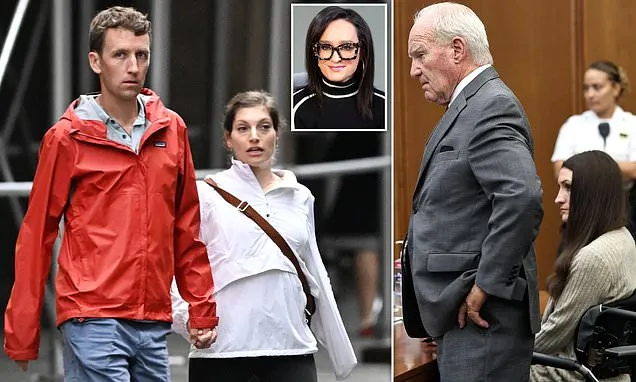
The legal proceedings surrounding Lindsay Clancy, who faced charges in the deaths of her three young children, have taken a complex turn following a mistrial declaration. While the trial itself has paused, the actions and public statements of Clancy’s defense attorney, Kevin Reddington, have drawn significant attention and criticism. Following the mistrial, Reddington made public appearances, including interviews on national television, where he expressed satisfaction with the outcome and made a notable appeal to President Biden for a pardon.
Defense Attorney’s Post-Mistrial Statements
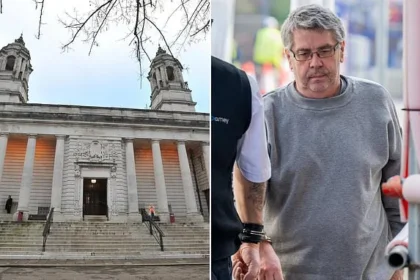
After a judge declared a mistrial in the Lindsay Clancy case, her defense attorney, Kevin Reddington, addressed the media outside the Massachusetts courthouse. He asserted that he had “crushed the prosecution,” a sentiment that has been met with skepticism by some observers. The author of this piece suggests that Reddington’s public pronouncements, including his appeal for a presidential pardon, may be perceived as attention-seeking and potentially overstepping the bounds of ethical legal advocacy.
Reddington’s request for President Biden to consider a pardon for Clancy was particularly unusual. The author points out that such a pardon would only be applicable to federal crimes, whereas Clancy was facing state murder charges. Furthermore, the author notes the apparent contradiction between Clancy’s alleged actions and the current administration’s encouragement of larger families.
Criticism of Jury Tactics and Comments
A significant point of contention has been Reddington’s public commentary regarding the jury’s deliberations. He reportedly criticized a lone juror who reportedly held out, preventing a unanimous verdict, suggesting this individual “stole” the time of the other jurors. This stance has been interpreted by some as an attempt to intimidate or discredit jurors, potentially influencing future proceedings.
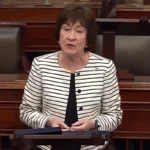
Following Reddington’s remarks, three jurors who voted for conviction spoke to the media, corroborating the defense attorney’s account of a difficult and contentious deliberation, with one juror describing the holdout as “arrogant” and unwilling to engage. However, another juror, who requested anonymity, later spoke out to defend the holdout, suggesting that other “big personalities” in the room also struggled to move past their convictions and that the holdout was not solely responsible for the lack of a unanimous decision.
The author expresses concern that Reddington’s public attacks on the dissenting juror could have a chilling effect on future juries in controversial cases, potentially deterring jurors from voting against the majority for fear of public backlash or professional repercussions.
Scrutiny of Husband’s Alleged Involvement
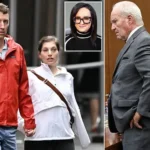
The defense attorney’s comments regarding Patrick Clancy, the victim’s husband, have also come under fire. When questioned by reporters about online conspiracy theories implicating Patrick Clancy in the deaths of his children, Reddington’s response was perceived by some as evasive and even supportive of the baseless allegations.
Reddington stated, “I don’t know what is in Patrick’s mind,” and when pressed further, he remarked, “You know, regarding the people on the internet, you know, I certainly don’t dismiss them… It’s amazing how they’re able to ferret out facts and they do investigations. It’s truly just amazing this whole concept of the internet.” These statements were interpreted by many as failing to unequivocally condemn the online harassment directed at Patrick Clancy and potentially lending credence to the unfounded theories.
Patrick Clancy’s own attorney, Howard Cooper, issued a statement threatening legal action against anyone continuing to harass his client. In subsequent interviews, Reddington appeared to soften his stance, expressing sympathy for Patrick Clancy and calling the conspiracy allegations “horrific.” However, the author questions why Reddington did not offer such a strong defense of Patrick Clancy when the cameras were initially rolling.
Conclusion: The Lingering Impact of Public Statements
The mistrial in the Lindsay Clancy case has opened a new chapter, one characterized by intense public discussion of the legal strategies and personal conduct of those involved. The defense attorney’s post-mistrial media tour, particularly his comments about the jury and Patrick Clancy, has ignited debate about the role of attorneys in shaping public perception and the potential consequences of their public statements on the integrity of the justice system and the well-being of individuals involved.
The author concludes by expressing a hope that the “Kevin Show,” as they term Reddington’s public appearances, will conclude, suggesting that the focus should return to the legal process and the pursuit of justice, rather than public spectacle.