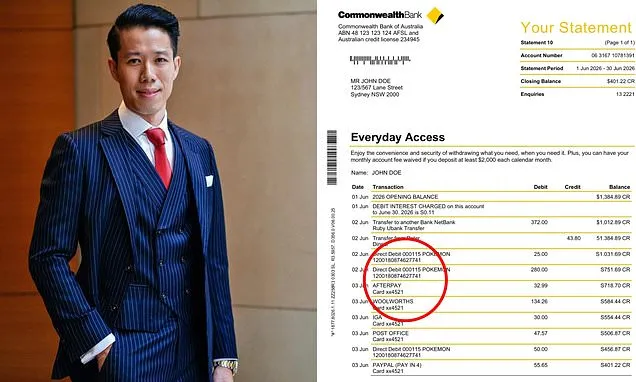
Securing a mortgage involves more than just a good credit score and a stable income; lenders meticulously examine bank statements for patterns that indicate financial responsibility and risk. A seasoned mortgage broker, Quang Huynh, with nearly two decades of experience assisting Australians in purchasing homes, has highlighted several often-overlooked transactions and habits that can significantly impact a home loan application. Lenders are increasingly using sophisticated tools, including AI, to scrutinize financial records, making transparency and a clear financial narrative crucial for potential borrowers.
Understanding the ‘Ideal’ Bank Statement
According to Huynh, a ‘perfect’ bank statement typically displays a consistent flow of funds: a regular salary deposited by an employer, followed by predictable outflows for essential living expenses such as groceries, utilities, rent, subscriptions, and occasional dining. This pattern, repeated over a three-month period, demonstrates to lenders a stable income and responsible money management. The key is consistency, showing that a borrower can manage their finances effectively between pay cycles.
Discretionary Spending: Beyond the Avocado Toast Myth
While the popular notion of avoiding small luxuries like expensive coffee is largely a myth, substantial and consistent spending on non-essential items can raise red flags. Huynh clarifies that occasional small treats are unlikely to derail an application. However, significant monthly outlays on services like food delivery, online shopping, or ‘Buy Now, Pay Later’ (BNPL) repayments can signal a lifestyle that exceeds a borrower’s means. Lenders are less concerned with isolated transactions and more focused on identifying spending patterns that suggest financial strain or a lack of budgeting discipline.
The Impact of Hobbies and Collections
Even seemingly harmless hobbies can present challenges if they involve significant expenditure. Huynh recounted a situation where a client’s substantial monthly spending on Pokémon trading cards threatened his borrowing capacity. To mitigate this, the broker proactively informed the lender about the client’s passion, provided an asset valuation of the collection, and secured a commitment from the client to pause these purchases post-loan approval. This narrative approach allowed the lender to exclude the hobby spending from the client’s regular living expenses, preserving his borrowing power.
Gambling Transactions: A Significant Risk Factor
Regular gambling transactions are consistently identified as a major concern for lenders. While an occasional lottery ticket is unlikely to be noticed, consistent activity with online bookmakers, betting agencies, or at casinos prompts lenders to assess the borrower’s risk profile. Huynh explained that if gambling constitutes a significant portion of a borrower’s cash flow, especially if it involves consistent losses, lenders may question their ability to prioritize mortgage repayments over betting. The lender’s perspective is rooted in risk management: can the borrower reliably meet their loan obligations, particularly during financial hardship?
Other Red Flags on Bank Statements
Beyond spending habits and gambling, several other factors can negatively influence a mortgage application:
- Buy Now, Pay Later (BNPL) Services: Frequent use of BNPL can indicate a reliance on credit and may affect borrowing capacity.
- Missed Direct Debits and Late Payments: A pattern of late payments on utilities, phone bills, or credit cards, even for small amounts, suggests poor financial management and can compound over time. Lenders view this as an indicator of potential future mortgage payment issues.
- Unexplained Large Transfers: Significant, unexplained international bank transfers or frequent transactions with cryptocurrency exchanges can raise concerns about the source of funds or potential financial instability.
- Discrepancies in Disclosed Information: When spending on a bank statement contradicts information provided in the loan application—such as school fees for a non-existent child or significant lifestyle expenses not declared—it erodes trust and credibility. AI tools are increasingly used to cross-reference application details with actual bank activity.
The Importance of Proactive Communication and Brokerage
Huynh emphasizes the critical role of a mortgage broker in navigating these complexities. Brokers can review bank statements proactively, identify potentially problematic transactions, and help craft a compelling narrative to present to lenders. This ‘storytelling’ approach can explain unusual spending or income patterns, thereby mitigating lender concerns before an application is formally submitted. Going directly to a bank without this preparation can lead to a rejection, which negatively impacts credit history and makes future applications more difficult.
Genuine Savings and Realistic Expectations
Lenders favor borrowers who demonstrate ‘genuine savings’—funds accumulated consistently over time with minimal withdrawals. This indicates financial discipline and a capacity to save. Furthermore, Huynh advises first-home buyers, particularly those on modest incomes, to set realistic expectations regarding affordability, especially in high-cost property markets. He suggests that starting with a more affordable property, such as a unit or townhouse further from the city center, can be a strategic first step to entering the property market.
Conclusion: Financial Narrative is Key
Ultimately, securing a home loan is not just about numbers; it’s about presenting a coherent and trustworthy financial story. By understanding what lenders scrutinize on bank statements—from consistent spending habits to the management of debt and discretionary outlays—prospective buyers can take proactive steps to strengthen their applications. Working with a mortgage broker early in the process is invaluable for optimizing financial structures, building a positive financial narrative, and increasing the likelihood of a successful home loan approval.