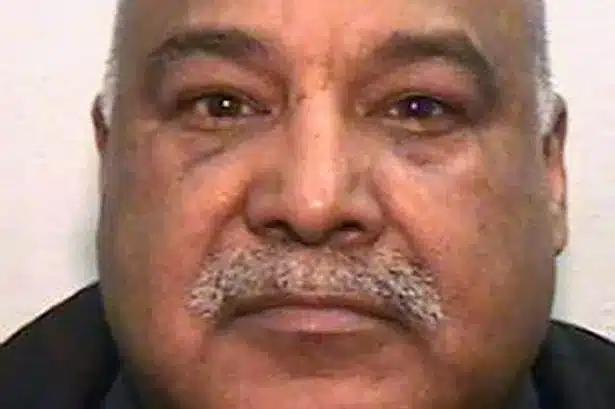
The UK government is actively investigating all available avenues to deport Shabir Ahmed, a 73-year-old leader of a notorious grooming gang, following his release from prison. Ahmed, who served 14 years for his crimes, cannot currently be deported to Pakistan, his country of origin, because he retains British citizenship. This situation has prompted calls for a review of existing laws and intensified efforts to remove him from the country.
Background of the Case
Shabir Ahmed was convicted in 2012 for offenses against five underage girls and sentenced to 19 years in prison. He was one of nine men found guilty in a case that highlighted the devastating impact of organized child sexual exploitation. After serving 14 years of his sentence, Ahmed was released on license. His release conditions include residing in a supervised bail hostel, wearing an electronic GPS tag, and adhering to geographical restrictions, preventing him from visiting certain areas of Rochdale or his last known address in Oldham.
Legal Hurdles to Deportation
A significant legal barrier to Ahmed’s deportation is the British Nationality Act of 1971. This legislation protects a specific group of Commonwealth citizens who arrived in the UK more than five decades ago from being removed from the country. Because Ahmed falls under this category, his British citizenship prevents his deportation, even though he is a foreign national offender.
Government Response and Political Pressure
The Home Secretary, Shabana Mahmood, has publicly stated that her department is “exploring all possible options” to deport Ahmed. A government spokesperson emphasized the commitment to removing foreign national offenders, stating, “We are committed to doing everything possible to deport foreign national offenders and are clear they should have no place in this country.” The spokesperson also acknowledged the complexities involved, noting that “this necessarily involves the agreement of the receiving country, which has not always been possible in some countries.” The government is reportedly working across departments to find solutions.
The case has garnered significant political attention. Keir Starmer, leader of the Labour Party, has urged the Home Secretary to review the case. Andy Burnham, Mayor of Greater Manchester, has been vocal, asserting that “nothing should be off the table” in efforts to remove Ahmed from Britain. He stressed that victims’ safety must be paramount and has called for a review by the Home and Foreign Secretaries.
In Parliament, Paul Waugh, the Labour MP for Rochdale, also advocated for Ahmed’s deportation, urging the Foreign Office to utilize all available powers. A statement from 10 Downing Street reiterated the government’s stance: “We are absolutely clear that where foreign nationals commit offences in the UK we will do everything in our power to remove them.”
Victims’ Fears and Concerns
The release of Shabir Ahmed has understandably caused significant distress and fear among the victims involved in the case. Many victims expressed feeling blindsided and betrayed by the lack of notification regarding his release. One victim, known as Amber, shared her profound anger and distress, stating she learned of his release through the media. She reported experiencing sleepless nights and feeling physically ill, fearing for her own safety and that of her children. Amber highlighted the gang’s network, expressing concern that even if Ahmed is restricted, he could still exert influence or direct others within Rochdale.
In a statement released via the Centre for Women’s Justice, Amber conveyed a sense of being “let down all over again.” Kate Ellis, a solicitor with the Centre for Women’s Justice, deemed it “completely unacceptable” that victims were not informed about the impending release of their abuser.
Another victim, identified as Ruby and supported by The Maggie Oliver Foundation, also voiced her fears. “I’m scared for my safety and my kids’ safety,” Ruby stated, emphasizing Ahmed’s notoriety in the Rochdale area and his potential to still influence events or individuals from afar. Through the foundation, Ruby and other victims have spoken of receiving “false promises” and feeling abandoned by authorities, leading to calls for legislative changes to facilitate the deportation of grooming gang members.
Calls for Legal Reform
The circumstances surrounding Shabir Ahmed’s case have reignited debate about the adequacy of current laws concerning the deportation of foreign national offenders, particularly those who have acquired citizenship. Advocates and victims are calling for a review and potential reform of legislation like the 1971 Act to ensure that individuals convicted of serious crimes can be deported, regardless of their citizenship status acquired decades ago. The focus remains on balancing legal protections with public safety and ensuring justice for victims.
Conclusion
The case of Shabir Ahmed underscores a complex intersection of legal rights, public safety, and international relations. While the government explores all possible options to deport him, the legal framework presents significant challenges. The ongoing distress of victims and the political pressure highlight the urgent need for a resolution that prioritizes victim welfare and national security, potentially through legislative review and enhanced diplomatic cooperation with Pakistan.