Unqualified individuals are performing high-risk cosmetic procedures in clandestine settings, operating like a “criminal underground” and even resorting to threats of violence against patients who voice concerns, experts have revealed. This secretive environment leaves many victims “terrified” to speak out about their experiences, according to testimony presented to MPs.
The alarming situation came to light as the Women and Equalities Committee (WEC) heard harrowing accounts of botched cosmetic surgeries. In one particularly disturbing case, a woman undergoing eyelid surgery in a private home was left unable to close her eyes, requiring her to tape them shut for sleep – a complication that could be permanent.
The Rise of “Criminal Underground” Cosmetic Procedures
Ashton Collins, co-founder of Save Face, a register for safe medical aesthetic practitioners, addressed the WEC, highlighting the escalating dangers. She described how individuals without proper qualifications are now performing invasive procedures such as facelifts, blepharoplasties (eyelid surgery), intimate procedures, and liposuction, often using scalpels and significant amounts of anaesthetic in unsuitable locations like living rooms and dimly lit salons.
“These treatments are being proliferated by social media, and they are being advertised extensively on there,” Collins stated. “And the way in which these people operate, it’s like a criminal underground almost.”
The process often involves patients paying fees in advance, with the location of the treatment only revealed on the day. Patients are then met by an escort and led to a property, often with their “blinkers on,” to a room where the procedure takes place. This deliberate obfuscation of the location and methods contributes to a “clandestine, criminal way” the treatments are presented.
Patient Fear and Intimidation
The atmosphere created by these practitioners instills profound fear in patients. “When you are confronted with that type of thing as a patient, and people describe this, that they feel terrified,” Collins explained. “They feel like they’re in the witness protection programme.”
Compounding the trauma, practitioners are reportedly aggressive and resort to threats of physical violence when patients attempt to raise concerns about unsatisfactory outcomes or complications. “Therefore, we have a lot of people who are terrified to speak out about their experiences,” she added.
Alice’s Law and Regulatory Delays
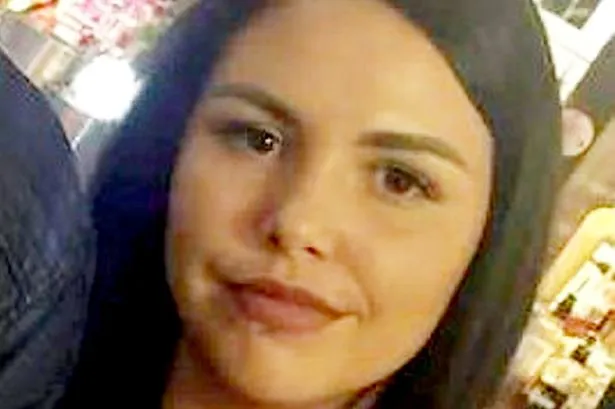
The discussion at the WEC was partly prompted by the ongoing campaign for Alice’s Law, named after Alice Webb, a 33-year-old mother of five who tragically died in 2024 following a liquid Brazilian Butt Lift (BBL) procedure performed in a salon. Alice’s Law advocates for restricting the highest-risk cosmetic procedures, particularly BBLs, to qualified surgeons.
Collins reported that Save Face has seen “huge success” with the campaign. However, she noted significant delays in the government’s response to the WEC’s report on the health impacts of cosmetic procedures and the planned consultation on restricting high-risk treatments, both of which were expected in April.
Devastating Complications and Long-Term Impacts
Nora Nugent, a cosmetic surgeon and president of the British Association of Aesthetic Plastic Surgeons, corroborated these concerns, telling the WEC that her association has been alerted to numerous instances of plastic surgery being performed in private homes and salons by practitioners whose qualifications are difficult to verify.
Save Face has assisted over 1,200 women who suffered complications from liquid BBLs or liquid breast augmentations. A significant proportion, over 50%, developed sepsis and required hospitalization, while another 40% needed extensive corrective surgery or ongoing care from district nurses. “I can’t stress strongly enough how much of an impact that’s had on their lives,” Collins emphasized.
The consequences extend beyond immediate medical emergencies. Nugent highlighted that many individuals are left with life-changing complications requiring prolonged surgical treatment and months of wound care, significantly disrupting their lives and ability to return to work. “It’s not just affecting their appearance,” she stated.
Escalating Risks and Future Concerns
While Save Face has seen a decrease in BBL-related complaints from a peak of six to nine per week to around six per month, Collins warned that practitioners are not ceasing their activities but are instead “pushing the boundaries even further.”
“They are now wielding scalpels, and so the risk profile in terms of these treatments is now escalating, and that needs to be nipped in the bud as a priority,” she urged. The continued operation of unqualified individuals in high-risk cosmetic procedures poses a severe and growing threat to public safety, necessitating urgent regulatory action.
Conclusion
The testimonies presented to the Women and Equalities Committee paint a grim picture of the unregulated cosmetic procedure industry. Patients are not only subjected to potentially life-threatening treatments by unqualified practitioners but are also intimidated into silence, fearing retribution if they report complications. The call for stricter regulations, as embodied by Alice’s Law, and timely government action on consultations and reports, is more critical than ever to protect individuals from these “criminal underground” operations and their devastating consequences.