The rapid expansion of artificial intelligence (AI) and the associated data center construction boom, once a strong performer, is now facing significant headwinds. This slowdown is clearly reflected in the performance of the iShares US Infrastructure ETF (IFRA), a fund that has historically excelled in the power, utilities, and industrials sectors. Once a leader, IFRA has recently become a summer laggard, signaling a shift in market sentiment and underlying economic pressures.
Technical Indicators Signal Caution for IFRA
An analysis of IFRA’s technical indicators suggests a move from a position of strength to one of caution. The fund’s substantial overweights in the Utilities and Industrials sectors, which previously drove its outperformance, are now lagging behind the broader S&P 500 index. Price action has deteriorated, and with bearish seasonality on the horizon, further challenges are anticipated.
The technical chart patterns for IFRA are raising concerns, with indicators pointing towards potential downside. A bearish outlook suggests a possible price target of $55. This projection is supported by the presence of overhead supply, indicating that a significant number of existing shares may be looking to sell at current or higher prices, and weakening momentum, which suggests a loss of buying pressure. These factors combine to present considerable headwinds for the ETF.
Political Resistance and Rising Rates Impact Core Holdings
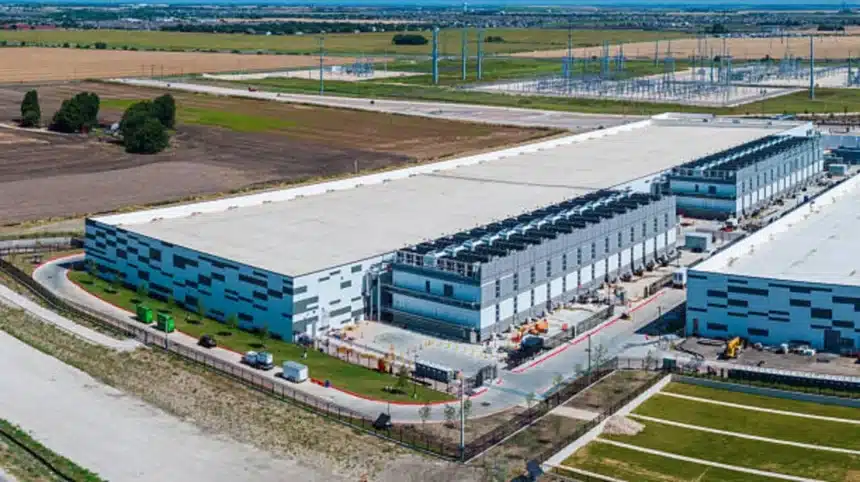
A primary driver behind the recent performance dip is growing political and community resistance to the widespread buildout of AI data centers. These facilities require substantial energy and land resources, leading to increased scrutiny and opposition in various localities. Concerns often revolve around energy consumption, water usage, noise pollution, and the visual impact of these large industrial sites.
This political pushback can translate into project delays, increased regulatory hurdles, and even outright cancellations of planned data center developments. For an infrastructure ETF like IFRA, which benefits from the construction and operational needs of such large-scale projects, this resistance directly impacts its core holdings and future growth prospects.
Compounding these issues are rising interest rates. Higher borrowing costs make financing new construction projects more expensive, potentially slowing down the pace of development. Furthermore, rising rates can diminish the appeal of dividend-paying infrastructure assets, as investors can find comparable or better yields from less risky fixed-income investments. The yield appeal of IFRA’s holdings, which often attract income-focused investors, is therefore threatened.
Sector Performance Divergence
The divergence in sector performance is a key factor in IFRA’s recent underperformance. While the broader market, represented by the S&P 500, has shown resilience, the specific sectors heavily weighted within IFRA are struggling.
- Utilities Sector: While utilities are often seen as defensive, the specific demands of powering large data centers, coupled with the broader economic environment and interest rate sensitivity, have created mixed performance. Some utility companies heavily involved in supplying power to these new facilities may see growth, but overall sector performance is impacted by broader market trends and regulatory pressures.
- Industrials Sector: This sector is closely tied to construction and infrastructure development. A slowdown in data center projects, coupled with potential broader economic deceleration, can negatively affect industrial companies involved in manufacturing equipment, providing construction services, or developing related infrastructure.
The combination of political headwinds against data center expansion and the macroeconomic challenge of rising interest rates creates a difficult environment for the sectors that form the backbone of the iShares US Infrastructure ETF.
Future Outlook and Investment Considerations
The outlook for IFRA appears to be one of caution. The ETF’s reliance on the continued, unfettered growth of AI data centers and associated infrastructure projects is now a point of vulnerability. Investors should consider the following:
- Regulatory Landscape: The evolving regulatory and political environment surrounding data center development will be a critical factor to monitor. Increased local opposition could lead to prolonged delays and higher costs for developers.
- Interest Rate Sensitivity: As interest rates remain elevated or continue to rise, the attractiveness of infrastructure investments may diminish relative to other asset classes.
- Technical Weakness: The bearish technical signals, including deteriorating price action and weakening momentum, suggest that further downside is possible in the short to medium term.
While the long-term demand for AI and data infrastructure remains robust, the current phase presents significant challenges. The iShares US Infrastructure ETF, due to its specific sector weightings and the current market dynamics, is experiencing a period of adjustment. The transition from a growth-driven rally to a more cautious stance reflects the complex interplay of technological expansion, political realities, and macroeconomic conditions.
In conclusion, the recent downgrade of the iShares US Infrastructure ETF to a ‘hold’ rating underscores the significant challenges emerging from political resistance to AI data center buildouts and the impact of rising interest rates. These factors are creating headwinds for the ETF’s core holdings, leading to underperformance relative to the broader market and suggesting a period of potential price depreciation.