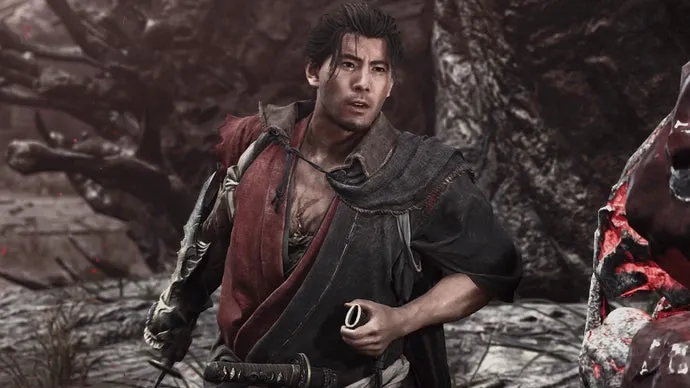
The highly anticipated return of the Onimusha series, Onimusha: Way of the Sword, is poised to blend its signature challenging combat with modern presentation. Set to release on September 4th, this action-slasher aims to recapture the spirit of its predecessors while incorporating contemporary gameplay mechanics and visual fidelity. Early impressions suggest a game that respects its roots in methodical combat, even as it embraces a more dynamic, behind-the-back camera perspective and cinematic flair.
A Legacy of Samurai Action
The Onimusha franchise first emerged as a spin-off from the survival horror genre, specifically Resident Evil. Its initial entries traded scarce ammunition for katana duels, maintaining a deliberate pace of engaging demonic foes, known as Genma. Players would carefully time attacks and dodges, absorbing souls into a gauntlet to power up their abilities. While Way of the Sword adopts the modern behind-the-back camera popularized by recent Resident Evil remakes, it retains the intricate combat that sets it apart from its survival horror origins. The preview build, following the recently released Steam demo, offers a glimpse into a gameplay experience that rewards precise timing and defensive maneuvers.
Miyamoto Musashi and the Star Power of Onimusha
A distinctive feature of the Onimusha series has always been its use of well-known actors to portray its protagonists. Way of the Sword continues this tradition by featuring the likeness of the legendary Japanese actor Toshiro Mifune, renowned for his roles in classics like Rashomon, Seven Samurai, and Yojimbo. His portrayal of Miyamoto Musashi imbues the character with a compelling swagger, balancing confidence with a world-weary resignation. This approach to character design extends a legacy that previously included Takeshi Kaneshiro in Onimusha: Warlords and Jean Reno in Onimusha 3: Demon Siege. Securing the rights to Mifune’s likeness reportedly took Capcom two years, highlighting the significance of this casting choice.
Gameplay Evolution: Combat and Exploration
While Onimusha: Way of the Sword is engineered for players who enjoy precise parry mechanics, reminiscent of Soulslike titles such as Sekiro and Nioh, its gameplay extends beyond pure combat. The preview showcased elements of traditional action-adventure design. Players navigate environments that require puzzle-solving, such as using Musashi’s bow to manipulate platforms. The city of Kyoto serves as a central hub, offering side missions where players can rescue NPCs from Genma attacks. Completing these missions rewards players with ‘Favor,’ a resource used to upgrade equipment. These diversions, while not groundbreaking, provide a meaningful context for progression.
The Core of the Experience: Fluid Combat
At its heart, Way of the Sword delivers a deeply satisfying combat system. Musashi moves with a grounded fluidity that is visually appealing and responsive to player input. While the moveset draws inspiration from Soulslike games, it also incorporates the stylish flair of character action titles like Ninja Gaiden. Basic enemies are dispatched with relative ease, allowing players to focus on mastering the parry system, which is noted as being more forgiving than in Nioh or Sekiro. The ‘Issen’ technique, a perfectly timed counterattack that can result in an instant kill, returns and appears to be a viable strategy for overcoming the entire game. Capcom is actively promoting this feature, suggesting its central role in the combat loop.
Cinematic Presentation and Environmental Interaction
Way of the Sword elevates its presentation through dynamic camera work and extensive environmental interaction. During parries and critical hits, the camera can zoom in to emphasize the clash of blades or dynamically shift to showcase Musashi maneuvering enemies into environmental hazards. This level of interactivity, reminiscent of early physics engine experiments, allows for creative combat scenarios. For instance, a well-timed parry might send an enemy into a rack, causing a sheet to fall and temporarily blind them, setting up a perfect finishing blow. The environments are populated with objects like carts that can serve as makeshift shields and boards that can be used to push back groups of enemies, adding a strategic layer to encounters.
The game’s visual direction, particularly during boss battles, enhances its cinematic quality. Close-ups on sword impacts and sweeping camera movements during enemy ultimate attacks immerse the player in the action. Combined with the detailed character models, especially Mifune’s likeness, Way of the Sword achieves a film-like quality that distinguishes it from other sword-fighting games.
Boss Battles and Difficulty Options
Concerns about a potential reduction in difficulty, stemming from a relatively accessible demo, are addressed by the challenging boss encounters previewed. The bosses faced in the extended play session proved to be formidable opponents, requiring expert timing and strategic adaptation. One particularly memorable boss, Rasho-gan, a multi-armed antagonist with a penchant for environmental manipulation, presented a significant challenge across multiple phases. His attacks, though parryable, demanded precise execution. If Rasho-gan is indicative of the game’s boss design, players can expect encounters that rival the difficulty of Sekiro. Recognizing that not all players possess the same reflexes, Capcom has included a ‘Story Mode’ difficulty option, ensuring accessibility for a wider audience.
Conclusion: A Promising Revival
Onimusha: Way of the Sword appears to be a strong contender in the action-slasher genre, successfully reviving a beloved franchise. It balances the series’ established challenging combat with modern gameplay conventions and a striking visual presentation. The inclusion of Toshiro Mifune’s likeness adds a unique historical and cinematic dimension. With its forgiving parry windows, stylish combat, interactive environments, and adjustable difficulty, the game seems poised to appeal to both long-time fans and newcomers. Whether it will reach the same heights as contemporary titans like Nioh and Sekiro remains to be seen, but Way of the Sword is shaping up to be a worthy continuation of the Onimusha legacy.