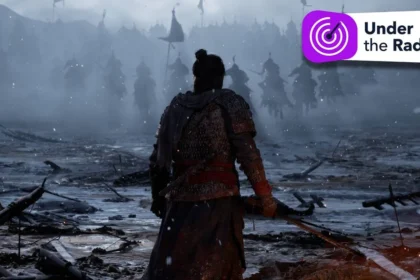
Roku has launched a new streaming channel, Fairground AI, dedicated entirely to content generated by artificial intelligence. This marks the first free, ad-supported channel of its kind, offering 24/7 AI video programming. However, the channel has quickly become a focal point for intense debate, with critics labeling its output as “AI slop” while proponents hail it as a significant advancement in AI-driven storytelling.
Fairground AI: A New Frontier or a Content Conundrum?
Fairground Entertainment, the entity behind the channel, describes it as a “landmark moment in the distribution of AI Cinema.” They position it as a groundbreaking new form of storytelling that combines professional production values with the creative potential of artificial intelligence. The company’s CEO, Colin Petrie-Norris, has expressed enthusiasm for this new era of AI Cinema, suggesting it represents a genuine leap forward.
Conversely, many observers and publications have been far less charitable. Futurism, for instance, has characterized the channel as “an unending conveyor belt of AI slop,” broadcasting “AI-generated abominations 24 hours a day, seven days a week.” The publication further described the experience as akin to a “sci-fi torture device” rather than entertainment, noting that even the advertisements interrupting the AI-generated videos are themselves AI-created.
The critical reception has been starkly divided. On social media platforms like X, AI enthusiasts and developers have shown considerable excitement. Many are drawn to the channel’s interactive element, which allows users to upload their own Generative AI (GenAI) videos for potential inclusion and payment. This feature has fostered a sense of community and opportunity among AI content creators.
However, a more skeptical contingent views the channel with disdain. Comments on X have ranged from comparisons to poorly produced propaganda to observations that the channel represents the “cutting edge of AI slop.” The criticisms often echo common critiques of current GenAI video technology, including issues with dialogue delivery, narrative coherence, bizarre on-screen events, and derivative visual styles.
The Technical and Ethical Hurdles of AI-Generated Content
The visual and narrative shortcomings of much AI-generated video are well-documented. Viewers often point to unnatural dialogue, jarring edits, unexpected visual glitches, and a general lack of originality. For those not already engaged with or appreciative of GenAI content, Fairground AI is unlikely to sway their opinion. The channel seems primarily aimed at an audience already interested in the capabilities and output of artificial intelligence in creative fields.
Beyond the aesthetic criticisms, a more significant legal and ethical concern looms: copyright infringement. The recent lawsuit against the AI music platform Suno, which faced legal action for allegedly using copyrighted material in its AI model’s training data without authorization or compensation, serves as a potent warning. Fairground AI’s business model, which monetizes AI-generated video content that may have been trained on existing, commercially released material, could potentially attract similar legal scrutiny.
The prospect of legal challenges from major content owners, such as movie studios, represents a substantial risk. If the AI models used to create the content on Fairground AI have indeed been trained on copyrighted works without proper licensing, the channel could face significant legal repercussions. This potential for litigation adds a layer of uncertainty to the channel’s future and its claim to being a legitimate new form of media distribution.
Potential Legal Ramifications and the Future of AI Cinema
The core issue revolves around the data used to train generative AI models. When these models learn from vast datasets that include copyrighted films, music, and other creative works, the resulting AI-generated content can inadvertently replicate or be heavily influenced by those original works. This raises complex questions about ownership, fair use, and the legality of monetizing outputs derived from such training data.
For Fairground AI, the risk lies in whether its content creators and the underlying AI models have adhered to copyright laws. If the generated videos are found to be derivative of protected material, or if the training data itself was used unlawfully, Fairground Entertainment could be liable. This could manifest as lawsuits demanding damages, injunctions to cease distribution, or other legal remedies aimed at protecting intellectual property rights.
The emergence of channels like Fairground AI highlights the rapid evolution of AI in creative industries. While offering new avenues for content creation and distribution, it also brings to the forefront critical discussions about ethics, copyright, and the definition of originality in the digital age. The legal landscape surrounding AI-generated content is still developing, and cases like the Suno lawsuit are setting precedents that will likely shape the future of platforms like Fairground AI.
Conclusion: A Test Case for AI Content Monetization
Fairground AI’s debut on Roku presents a fascinating, albeit controversial, case study. It showcases the current capabilities of AI in video generation while simultaneously exposing the technical limitations and significant ethical and legal challenges that accompany this technology. Whether it represents a genuine milestone in AI Cinema or merely a fleeting experiment in distributing “AI slop” remains to be seen. However, its potential exposure to copyright litigation suggests that the path to monetizing AI-generated content is fraught with peril, demanding careful navigation of intellectual property laws and ethical considerations.