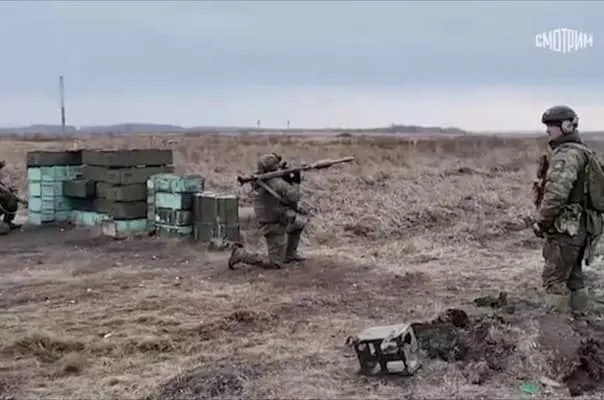
Russia experienced one of the most significant months for troop casualties since the commencement of its full-scale invasion of Ukraine, with an estimated 42,860 Russian soldiers killed or wounded in July. This figure, if accurate, would mark July as the deadliest month for Russian forces since January 2025 and the fourth-highest casualty month of the entire conflict. The substantial losses underscore the significant human toll and the ongoing challenges Russia faces in sustaining its military operations.
Mounting Casualties and Recruitment Challenges
The reported casualty figures for July present a considerable logistical and demographic challenge for Moscow. With overall Russian casualties estimated by some analysts to be nearing 1.5 million, the Kremlin faces the increasingly difficult task of replenishing its ranks while simultaneously prosecuting an offensive that has yielded limited territorial gains at a high human cost. This situation intensifies the pressure on Russia’s recruitment efforts, which have become more conspicuous in their reliance on various methods to attract personnel.
Reports indicate that Russia has increasingly turned to financial incentives and the recruitment of foreign fighters to bolster its troop numbers. Furthermore, there have been accounts of individuals being enlisted through potentially misleading promises regarding the nature of their military service. The Kremlin is reportedly contemplating another round of mobilization following parliamentary elections in the autumn. Such a move, however, would carry considerable political risks domestically, potentially exacerbating public sentiment and straining resources further.
A new mobilization would highlight a central paradox of Russia’s current military strategy: while the nation has demonstrated an ability to absorb substantial losses, maintaining this indefinitely necessitates an ever-increasing commitment of both personnel and financial resources. This continuous demand for manpower and materiel strains the nation’s capacity and raises questions about the long-term sustainability of its war aims.
Ukrainian Counter-Offensive and Shifting Frontlines
In parallel with Russia’s internal challenges, Ukrainian forces report making advances on the southern front. These claimed gains include the recapture of approximately 780 square kilometers of territory and 26 settlements. Ukrainian troops have reportedly pushed Russian forces back by more than 11 kilometers in areas near the intersection of the Dnipropetrovsk, Donetsk, and Zaporizhzhia regions. While these advances may be modest in the context of the broader conflict, they have the potential to disrupt Russia’s efforts to maintain offensive pressure across multiple sectors of the front line.
The battlefield is thus evolving into an increasingly costly contest of attrition and endurance. Although President Putin has access to resources that significantly exceed those available to Ukraine, Russia’s numerical advantage comes at a steep price. Each territorial gain often requires costly assaults on fortified positions, and unsuccessful attacks contribute to casualty figures that are becoming progressively harder to replace. The Kremlin’s reported reliance on prisoners, foreign recruits, and aggressive recruitment campaigns suggests that the manpower shortage is a pressing and tangible issue rather than a theoretical concern.
Strategic Implications and Future Outlook
Ukrainian President Volodymyr Zelensky has previously warned that a large-scale Russian mobilization could pose a direct challenge to European security. He has suggested that President Putin may be seeking decisive military successes, potentially aiming for rapid victories beyond Ukraine’s borders to demonstrate strength and achieve political objectives. For Moscow, the inherent danger lies in a conflict initiated to project Russian power potentially revealing the limitations of that power instead.
The casualty figures reported for July do not necessarily indicate an imminent collapse of Russian forces. However, they starkly illustrate the human cost of the conflict and the willingness of the Russian leadership to sustain immense losses. This raises critical questions about the long-term capacity of Russia’s military to endure the ongoing conflict and its ability to replace the significant number of soldiers being lost on the battlefield. The war continues to be a profound test of national endurance, resource management, and strategic objectives for all parties involved.