Court Orders Significant Damages After Sexsomnia Defense Fails
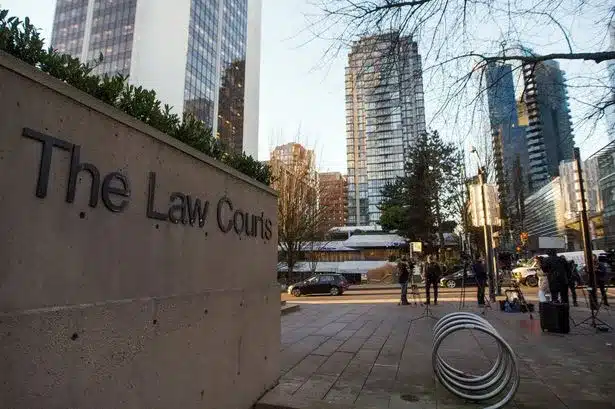
A 53-year-old man has been ordered to pay the equivalent of £113,000 (CAD $210,000) in damages to a woman he sexually assaulted, after his defense of “sexsomnia” was rejected by the court. The civil ruling, delivered by the Supreme Court of British Columbia in Vancouver, Canada, last month, found the man liable for the profound psychological harm inflicted upon the victim.
Assault Details and Victim’s Account
The case stems from an incident in September 2015, when the woman, whose identity is protected by a publication ban, accepted an invitation to stay overnight at the man’s apartment after losing her keys. She reportedly fell asleep, only to be subjected to non-consensual, unprotected sexual intercourse by the man.
Justice Warren B. Milman detailed the events, stating, “Before the victim fell asleep, the offender made several attempts to initiate sexual activity with her which she clearly rebuffed. After she fell asleep, the offender undressed her from the waist down and had unprotected sexual intercourse with her.”
In her affidavit, the woman described the immediate aftermath, including intense fear of pregnancy and sexually transmitted infections. She also spoke of the anxiety surrounding medical examinations and the ongoing struggles with flashbacks and nightmares. Despite years of counseling, she told the court that she continues to be deeply affected, describing herself as “a shadow of her former self.”
Psychological Impact and Loss of Trust
The ruling highlighted the victim’s significant challenges in maintaining relationships, forging new connections, and her profound loss of trust, particularly in men. The court noted her diminished interest in dating and her worry about finding a life partner.
Furthermore, the woman continues to grapple with intense self-blame, even though she acknowledges she was not responsible for the assault. Her world has contracted significantly, as she has become reluctant to leave her home, feeling that her sense of safety and self have been irrevocably compromised.
Rejection of Sexsomnia Defense
The man, identified as a former high-level mining executive, had previously been prosecuted for the assault. During that process, he advanced the “sexsomnia” defense, claiming the act was involuntary due to the sleep disorder. However, this defense was ultimately rejected by the court.
Records indicate the man stated he began researching the possibility that the woman had dreamed the encounter, which led him to information about sexsomnia. He claimed to have accepted that the sexual intercourse occurred after learning more about the condition, expressing remorse.
Previous Conviction and Sentencing
In July 2020, B.C. Supreme Court Justice Austin Cullen found the man guilty of sexual assault, dismissing the sexsomnia defense as a “charade” lacking credibility. Justice Cullen also pointed to inconsistencies in the man’s behavior following the incident, noting his initial claims that the woman was lying and attempting to extort him, which contradicted his later argument of being unconscious.
The man was sentenced to two years less a day in jail in October 2020 and was later released on parole after serving just over seven months.
Understanding Sexsomnia
Sexsomnia, also known as “sleep sex,” is a recognized medical sleep disorder classified as a parasomnia. It involves unusual behaviors during sleep, typically occurring during non-REM or deep sleep stages. Individuals with sexsomnia may involuntarily engage in sexual acts while asleep, with symptoms ranging from masturbation and moaning to attempted or completed sexual intercourse.
A key characteristic of the disorder is amnesia, where sufferers are often unaware of their actions and may have little to no memory of the episode upon waking. Triggers can include minor disturbances, and the condition is often associated with other sleep issues like sleepwalking and sleep apnea, with sleep deprivation and stress being contributing factors.