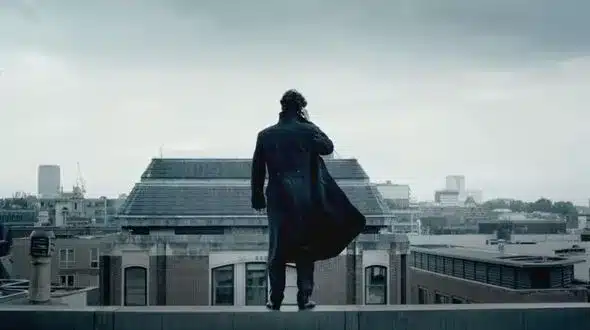
The BBC series Sherlock, a modern reimagining of Sir Arthur Conan Doyle’s iconic detective stories, continues to be celebrated by fans and critics alike, with many hailing it as the “greatest TV of all time.” Starring Benedict Cumberbatch as the brilliant but eccentric Sherlock Holmes and Martin Freeman as his loyal companion Dr. John Watson, the show captivated audiences worldwide during its run from 2010 to 2017.
A Modern Take on a Classic Detective
Created by Steven Moffat and Mark Gatiss, Sherlock masterfully transplanted the beloved characters and intricate mysteries of Arthur Conan Doyle’s Victorian-era tales into the bustling, contemporary landscape of 21st-century London. The series brilliantly integrated modern technology, with Holmes utilizing smartphones, GPS, and online blogs to unravel complex cases. This innovative approach, combined with sharp writing and compelling performances, set the stage for a show that would leave a significant mark on television history.
Filmed primarily in Cardiff, with iconic London locations like North Gower Street standing in for the legendary 221B Baker Street, the series offered a visually striking backdrop to its thrilling narratives. It was broadcast internationally, including on PBS in the US as part of its Masterpiece anthology series, reaching a vast global audience.
Critical Acclaim and Awards Recognition
From its inception, Sherlock garnered widespread critical acclaim. The first three series, in particular, were lauded for their exceptional writing, stellar acting, and meticulous direction. This critical praise translated into numerous prestigious awards, including BAFTAs, Emmys, and a Peabody Award. Both Benedict Cumberbatch and Martin Freeman received Emmy Awards for their outstanding portrayals of Holmes and Watson, respectively. The show’s immense popularity was reflected in its viewership figures, with millions tuning in across the UK and its distribution to over 180 countries.
Compelling Characters and Storylines
At its heart, Sherlock is the story of an extraordinary partnership. Holmes, famously described by himself as a “high-functioning sociopath,” relies on his unparalleled deductive reasoning to solve crimes. He is aided by Dr. John Watson, a former army doctor whose pragmatic nature and burgeoning blog documenting their adventures provide a crucial human element and bring Holmes into the public eye. Their exploits often draw the attention of Scotland Yard, particularly Inspector Lestrade, portrayed by Rupert Graves.
The series also featured a memorable cast of supporting characters, including Molly Hooper, the pathologist with an unrequited affection for Holmes, played by Louise Brealey, and Mycroft Holmes, Sherlock’s equally intelligent but more politically minded elder brother, brought to life by co-creator Mark Gatiss. A central figure in the show’s dramatic arc was the intense rivalry between Sherlock Holmes and his arch-nemesis, Jim Moriarty, chillingly depicted by Andrew Scott.
Enduring Fan Favourite Status
While the fourth series received a more mixed reception from critics, the overall affection for Sherlock remained remarkably strong among its dedicated fanbase. Years after the final episode aired, viewers continue to their admiration for the series on social media platforms and review websites. Many fans consider it a benchmark in television drama, with one widely shared sentiment stating: “Sherlock is my favourite BBC series and the greatest TV of all time for me. Everyone needs to see it.” This enduring enthusiasm underscores the show’s impact and its status as a modern television classic.
The Legacy of Sherlock
Sherlock‘s success can be attributed to its unique blend of classic storytelling, contemporary relevance, and exceptional craftsmanship. The series demonstrated the power of adapting timeless literary characters for a new generation, proving that compelling narratives can transcend their original settings. The chemistry between Cumberbatch and Freeman, the intricate plotting, and the stylish direction all contributed to a viewing experience that resonated deeply with audiences. Even with its relatively short run, the show has cemented its place in television history, inspiring countless discussions and reaffirming the enduring appeal of Arthur Conan Doyle’s brilliant detective.