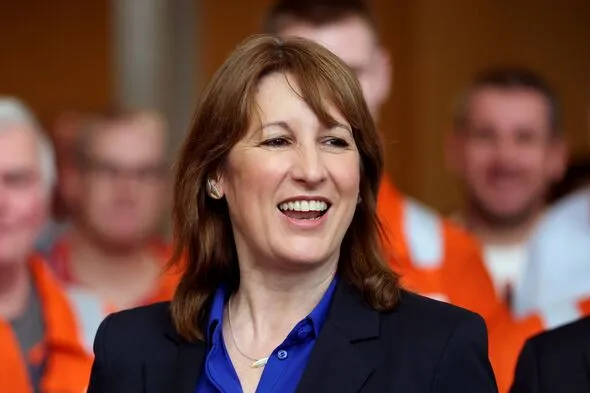
A proposed visitor levy could increase the annual cost of UK holidays by £500 million, prompting warnings from business leaders that it threatens families and domestic tourism. Chancellor Rachel Reeves faces growing opposition to granting mayors broad authority to impose charges on overnight accommodations such as hotels, campsites, and B&Bs, effectively adding a nightly fee for British getaways.
Details of the Proposed Levy
The initiative aims to empower regional leaders with greater control over local funding. City mayors and authorities would collect funds directly from tourists via these levies, directing revenue toward infrastructure, public services, and upkeep of high-traffic destinations.
UKHospitality estimates that a £2 per person per night charge would add approximately £100 to a typical two-week family holiday in seaside spots like Brighton.
Industry Leaders’ Concerns
Hospitality executives argue the sector already grapples with high taxes, escalating energy costs, wages, and VAT burdens. Over 200 business leaders, including top figures from holiday giants like Butlin’s and Haven, have urged Reeves to reconsider the policy. They warn it could undermine the UK’s competitiveness against overseas destinations offering better value without such fees.
Alice Jeffries, CBI head of tax policy, stated: “The Government should be sending a clear signal that the UK is ‘open for business,’ not putting up barriers to visitors.” She highlighted the levy as a potential “handbrake” on growth, endangering jobs, especially for young workers dominant in hospitality.
The Confederation of British Industry cautions that the tax may fuel inflation, discourage investment, and add regulatory burdens to businesses.
Arguments in Favor and Counterpoints
Proponents note successful similar schemes in cities like Paris and Barcelona, where modest nightly fees support overcrowding management, amenity improvements, and tourism strain relief. However, critics counter that UK domestic holidays serve as affordable alternatives to international trips. Extra costs could drive families abroad, diverting revenue from the UK economy.
A Government spokesperson commented: “No final decision has been made; the design of any visitor levy is still under consideration.” Officials emphasize that the plan would allow popular areas to gain more directly from tourism while providing local leaders flexibility for service funding.